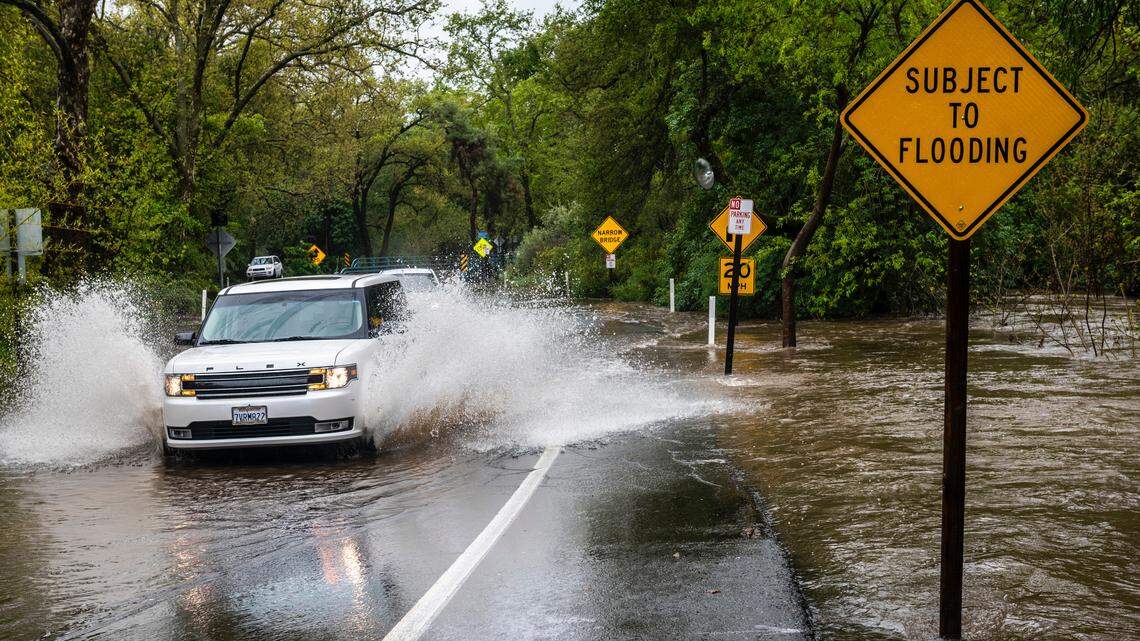
Flooding is one of the most destructive natural disasters affecting properties worldwide. Understanding common flood risks is essential for every property owner, whether you live in a flood-prone area or not. Floods can occur unexpectedly, and the damage they cause can be extensive, impacting both homes and businesses. This article provides a comprehensive overview of the most frequent flood hazards and offers practical guidance for mitigating their impact.
Understanding Flood Risks
Floods can happen for various reasons, including heavy rainfall, snowmelt, hurricanes, or rising river levels. Awareness of common flood risks helps property owners prepare in advance, reducing potential losses. Flooding is not limited to areas near rivers or coastlines; even properties in seemingly safe regions can experience flash floods due to inadequate drainage or sudden storms.
Several factors contribute to flood risk. Geography plays a significant role, with low-lying areas naturally more susceptible. Urban development can also increase vulnerability, as concrete surfaces prevent water absorption, leading to higher runoff and water accumulation. Climate change has further intensified flood occurrences, making understanding common flood risks more important than ever.
Types of Flood Risks
Property owners face different types of flood risks depending on their location and environmental conditions. Some of the most common flood risks include:
River and Coastal Flooding
River flooding occurs when rivers overflow due to prolonged rainfall or snowmelt. Coastal flooding, often driven by storm surges or hurricanes, can inundate properties near the shoreline. Both types of flooding can cause significant damage to buildings, foundations, and landscaping.
Flash Floods
Flash floods develop rapidly, often within hours of heavy rainfall. They are particularly dangerous in urban areas or regions with steep terrain. The sudden surge of water can destroy property, sweep away vehicles, and pose a severe risk to personal safety.
Sewer and Drainage Flooding
Improperly maintained sewer systems and blocked drains can lead to localized flooding. Urban areas are particularly vulnerable to this type of risk, which can damage basements, garages, and ground-floor living spaces. Property owners should be aware of the potential for water accumulation around their homes.
Flooding from Broken Infrastructure
Floods can also result from broken infrastructure, such as dams or levees. While these events are less frequent, their impact can be catastrophic, leading to widespread property damage and endangering lives.
Signs Your Property Might Be at Risk
Being proactive is crucial in managing common flood risks. There are several indicators that your property could be vulnerable:
- Proximity to rivers, lakes, or coastal areas
- Low elevation relative to surrounding areas
- History of flooding in the neighborhood
- Poorly maintained drainage systems or culverts
- Cracks in foundations or basement walls that allow water seepage
Recognizing these signs early allows property owners to take preventative measures before a disaster occurs.
Consequences of Ignoring Flood Risks
Underestimating common flood risks can be costly. Water damage can destroy personal belongings, weaken structural integrity, and lead to mold growth, which affects indoor air quality and health. Insurance claims may not cover all damages if the property is in a high-risk flood zone, leading to substantial out-of-pocket expenses.
Flooding also disrupts daily life. Access to homes can be restricted, electrical systems can fail, and valuable documents or equipment can be lost. The emotional stress and financial burden of recovering from flood damage are reasons enough to prioritize understanding and managing flood risks.
Preventative Measures for Property Owners
Managing common flood risks requires both proactive planning and practical measures. Here are essential steps property owners can take:
Elevate and Waterproof
Raising critical components of a property, such as electrical panels or HVAC systems, above potential flood levels can reduce damage. Waterproofing basements and foundations using sealants or barriers also provides protection against seepage.
Improve Drainage
Proper drainage is essential to prevent water accumulation. Maintaining gutters, installing French drains, and ensuring proper grading around the property directs water away from structures. These measures help mitigate risks from heavy rainfall and flash floods.
Install Flood Barriers
Temporary or permanent flood barriers, such as sandbags or flood gates, can protect entry points to your home. These barriers are especially useful in areas prone to river or flash flooding.
Maintain Infrastructure
Regular inspections and maintenance of drainage systems, sump pumps, and sewer connections are critical. Clearing debris and ensuring functionality reduces the risk of localized flooding.
Secure Insurance Coverage
Flood insurance is a key defense against financial losses. Standard property insurance may not cover flood damage, so reviewing policies and obtaining appropriate coverage is essential for peace of mind.
Community and Government Resources
Property owners do not have to face common flood risks alone. Local and national agencies provide valuable resources, including flood maps, emergency planning guides, and disaster relief programs. Participating in community preparedness initiatives strengthens resilience and enhances safety for everyone in the area.
Planning for Emergencies
Even with preventative measures, flooding can still occur. Having an emergency plan in place is crucial. Property owners should:
- Identify safe evacuation routes
- Prepare emergency supply kits with essentials
- Keep important documents in waterproof containers
- Establish communication plans with family or neighbors
These steps ensure that, in the event of a flood, personal safety is prioritized and recovery efforts can begin quickly.
Conclusion
Understanding common flood risks is vital for every property owner. Flooding can strike unexpectedly, causing physical, financial, and emotional damage. By recognizing the types of risks, assessing property vulnerabilities, implementing preventative measures, and planning for emergencies, property owners can significantly reduce the impact of floods. Proactive preparation not only safeguards property but also provides peace of mind, knowing that you are ready to face one of nature’s most challenging threats. Staying informed and vigilant is the key to resilience in the face of flood risks.
Floods are unpredictable, but with careful planning and awareness, their effects can be managed. Every property owner has a role in protecting their home and community from the dangers of flooding.