Experiencing flooding in your home or property can be overwhelming. The sudden influx of water can damage structures, destroy personal belongings, and create health hazards. Acting quickly and effectively is essential to minimize long-term damage. Flooding restoration is not just about cleaning up water; it involves a systematic approach to ensure safety, prevent mold growth, and restore your property to its pre-flood condition. This article provides essential tips for homeowners and property managers on how to handle flooding situations promptly and efficiently.
Understanding the Importance of Immediate Action
Flooding can escalate rapidly, causing structural damage and compromising electrical systems. The first step in effective flooding restoration is understanding the urgency. Even a few hours of standing water can seep into walls, floors, and furniture, leading to extensive damage. Quick action can reduce costs, limit repair time, and preserve valuable possessions. Safety should be the top priority, ensuring that all individuals are out of harm’s way and that utilities such as electricity and gas are turned off if necessary.
Assessing the Damage and Ensuring Safety
Before beginning any restoration work, assess the damage thoroughly. Take note of areas affected by water, identify potential hazards, and document the situation for insurance purposes. Flooding restoration often involves dealing with contaminated water, especially after heavy rains or sewage overflows. Wearing protective gear such as gloves, boots, and masks is crucial to prevent exposure to harmful bacteria and chemicals. Additionally, ensure that the structural integrity of the building is intact before entering, as weakened floors or walls can pose serious risks.
Removing Standing Water Quickly
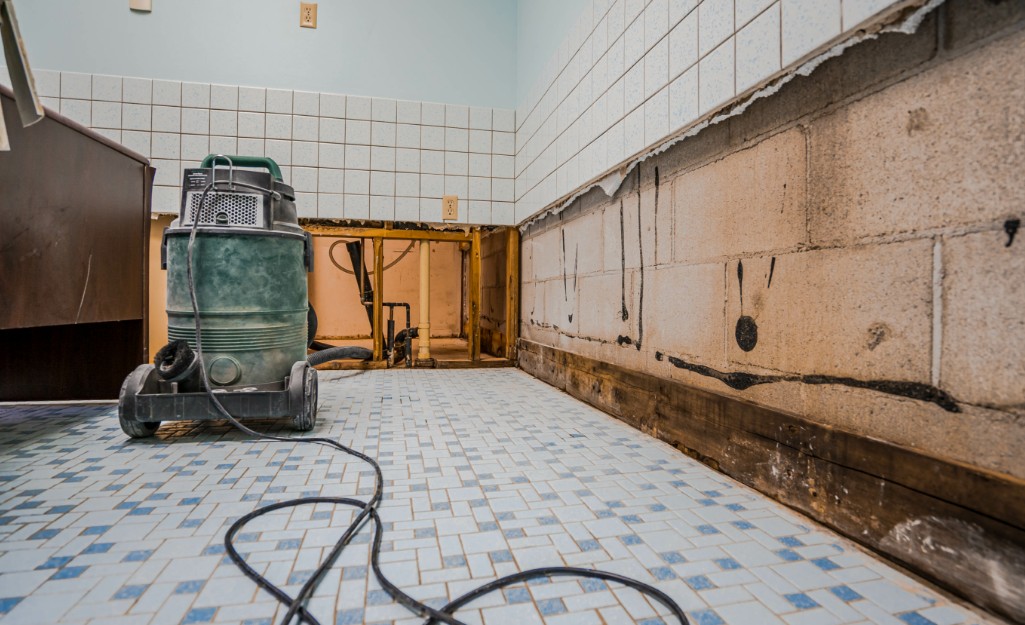
One of the most critical steps in flooding restoration is removing standing water as soon as possible. Water extraction can be done using pumps, wet-dry vacuums, or professional-grade equipment depending on the severity of the flood. Rapid water removal prevents further absorption into building materials, reducing the likelihood of swelling, warping, and mold development. In cases of large-scale flooding, contacting professional flooding restoration services is recommended, as they have the equipment and expertise to handle significant water volumes efficiently.
Drying and Dehumidifying the Affected Area
Once the water is removed, thorough drying is essential to prevent long-term damage. Open windows and doors to improve ventilation and use fans to circulate air. Dehumidifiers are particularly effective in extracting moisture from walls, carpets, and furniture. Flooding restoration requires careful monitoring of humidity levels, as excess moisture can lead to mold growth, structural decay, and lingering odors. Professional restoration teams often use moisture meters to ensure that all areas are completely dry before moving on to repairs.
Cleaning and Sanitizing Surfaces
Floodwater often carries bacteria, chemicals, and debris, making cleaning a critical part of flooding restoration. Disinfect all affected surfaces using appropriate cleaning agents, paying close attention to areas that come in direct contact with food, children, or pets. Carpets, furniture, and personal items may need to be thoroughly cleaned or even discarded if contaminated beyond repair. This step helps reduce health risks and prepares the property for the next phase of restoration.
Salvaging Belongings and Important Items
During flooding restoration, identifying items that can be salvaged is important. Separate valuables and sentimental possessions from items that are irreparably damaged. Documents, photographs, and electronics may require specialized cleaning techniques. Immediate action, such as air-drying papers or using moisture-absorbing materials for electronics, can increase the chances of successful recovery. Professional flooding restoration services often offer expert advice on salvaging delicate items and reducing permanent losses.
Addressing Mold and Mildew Prevention
Mold growth is one of the most common and damaging consequences of flooding. Spores can begin to grow within 24 to 48 hours after water exposure, making timely restoration essential. Use mold-resistant cleaning solutions and ensure all areas are fully dried. Remove or replace materials such as drywall, insulation, and carpeting if they show signs of mold infestation. Consistent monitoring and preventive measures are crucial to maintaining a safe and healthy living environment after a flood.
Repairing Structural Damage
Flooding restoration often involves repairing structural damage to walls, floors, and foundations. Water can weaken wood, warp flooring, and compromise drywall integrity. Inspect your property carefully and prioritize repairs based on safety and functionality. In some cases, hiring contractors experienced in flood-related repairs is necessary to ensure that structural issues are addressed correctly. Proper restoration not only restores the property’s appearance but also maintains its long-term stability and value.
Dealing with Insurance and Documentation
Insurance claims are an essential component of flooding restoration. Document all damage thoroughly with photos, videos, and written notes. Keep records of repair costs, professional restoration services used, and any temporary measures taken to prevent further damage. Insurance companies often require detailed documentation to process claims efficiently. Working closely with both your insurer and professional restoration teams can streamline the process and ensure adequate compensation for your losses.
Professional Flooding Restoration Services
While some flood damage can be addressed by homeowners, large-scale flooding requires the expertise of professional flooding restoration services. These teams offer advanced equipment, experienced personnel, and comprehensive restoration plans that include water extraction, drying, cleaning, and repairs. Hiring professionals ensures that all aspects of flooding restoration are handled efficiently and safely, reducing the risk of recurring issues and further damage.
Preventive Measures for Future Flooding
After completing flooding restoration, it’s important to consider preventive measures. Elevating electrical systems, sealing foundation cracks, installing sump pumps, and improving drainage around the property can significantly reduce future risks. Regular inspections and maintenance help identify potential vulnerabilities, allowing homeowners to take proactive steps before the next flood occurs. Implementing these preventive strategies not only protects your property but also minimizes the stress and costs associated with flooding.
Conclusion
Flooding restoration is a critical process that requires immediate action, careful planning, and a systematic approach. From assessing damage and removing water to drying, cleaning, and repairing structures, every step is essential to minimize long-term consequences. Homeowners who act quickly, document the damage, and consider professional restoration services can protect their property, preserve valuables, and maintain a safe living environment. Preventive measures further enhance resilience against future flooding, ensuring peace of mind and safeguarding investments. By understanding and implementing effective flooding restoration strategies, you can significantly reduce the impact of floods on your home and family.
This comprehensive approach to flooding restoration emphasizes speed, safety, and thoroughness, ensuring that your property recovers as quickly and efficiently as possible.