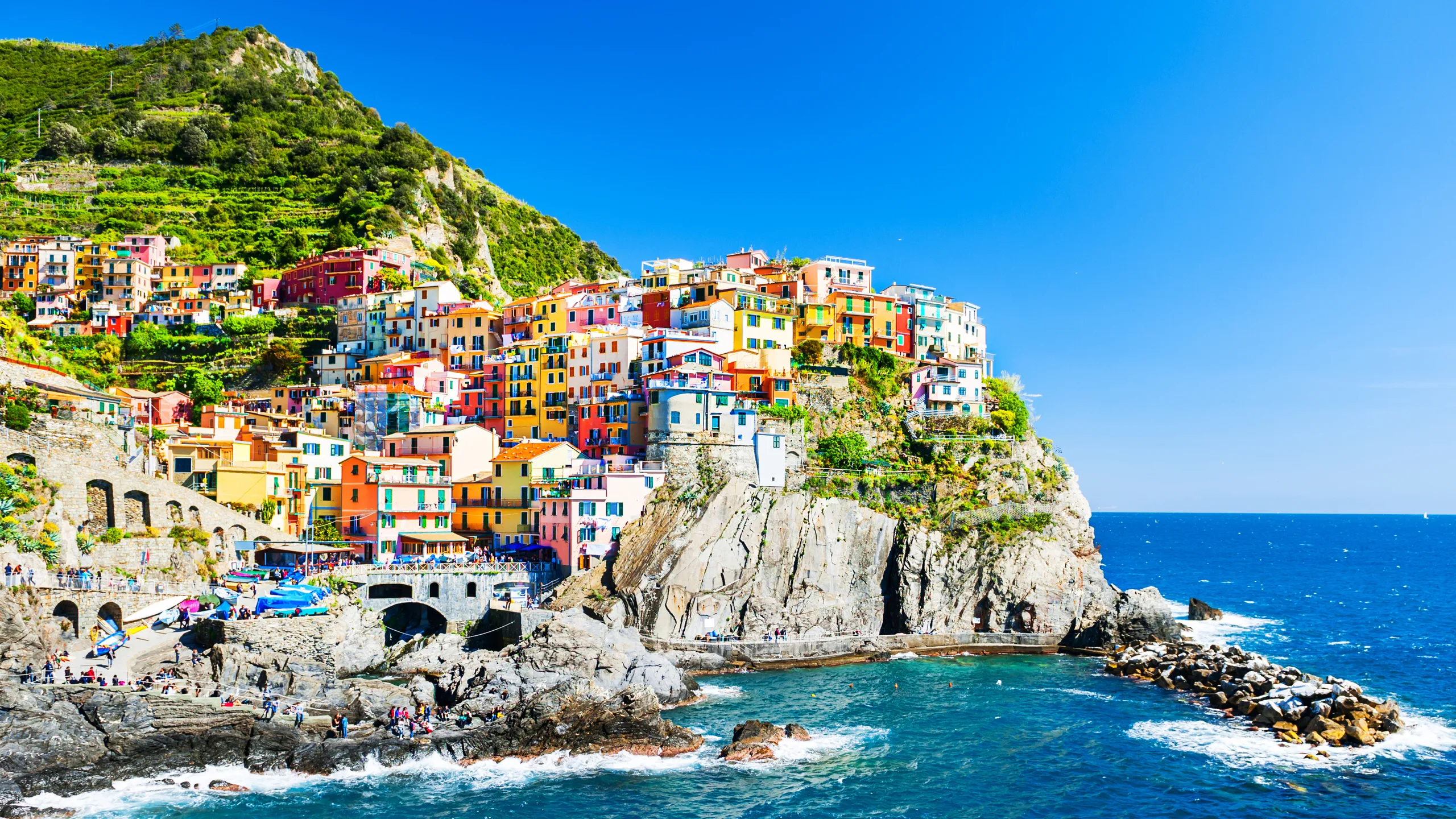
Coastal communities have long been shaped by the sea. Fishing, shipping, boatbuilding, tourism, marine trade, and other ocean-related activities have created livelihoods while also influencing local traditions and community identity. Today, coastal entrepreneurs continue this legacy by combining business opportunities with efforts to preserve maritime heritage. Their work demonstrates that economic development and cultural preservation can support each other when communities value their history and invest in their future.
Entrepreneurs in coastal areas often understand their communities in ways that outside businesses may not. They recognize the importance of historic waterfronts, traditional industries, local stories, and long-standing relationships. By building businesses around these strengths, they help keep maritime traditions visible while creating opportunities for employment and investment.
Preserving Maritime Traditions Through Business
One of the most effective ways entrepreneurs support maritime heritage is by keeping traditional skills and industries active. Boatbuilding, fishing, marine repair, seafood preparation, sailing, and other specialized activities are not simply commercial services. They are also expressions of knowledge passed from one generation to another.
When local businesses continue these activities, they provide younger residents with opportunities to learn practical skills. An experienced boatbuilder, for example, can teach apprentices techniques that might otherwise disappear. A family-owned fishing business can pass along knowledge about local waters, seasonal patterns, equipment, and responsible harvesting practices.
Businesses can also preserve traditions by incorporating local history into their products and services. Restaurants may feature traditional seafood recipes, tour operators may share stories about historic harbors, and craftspeople may create products inspired by maritime culture. These approaches allow heritage to remain part of everyday economic life.
Creating Employment and Supporting Local Growth
Coastal entrepreneurship contributes directly to local economic development. Small and medium-sized businesses create jobs, purchase supplies, rent commercial spaces, and encourage customers to spend money within the community. This creates a network of economic activity that benefits more than the business owner.
A successful coastal enterprise can generate employment for residents who might otherwise need to relocate to larger cities. Jobs connected to hospitality, transportation, fishing, marine services, tourism, retail, and creative industries can provide different career paths for local workers.
The impact can extend even further. When visitors come to a coastal community for a maritime attraction or local business, they may also stay in nearby accommodations, eat at independent restaurants, purchase locally made products, and visit other attractions. As a result, one successful business can contribute to a broader local economic ecosystem.
Connecting Tourism With Maritime Heritage
Tourism offers coastal entrepreneurs an important opportunity to showcase maritime culture. Visitors are often interested in authentic experiences that help them understand the history and character of a destination.
Entrepreneurs can create walking tours, harbor excursions, museums, cultural events, boat experiences, seafood experiences, and educational programs that connect visitors with local heritage. These businesses can make history more engaging while generating revenue that supports the community.
The strongest tourism businesses often focus on authenticity rather than simply creating attractions for visitors. They involve local residents, highlight genuine traditions, and explain why certain practices matter. This approach can create a stronger connection between tourists and the communities they visit.
Encouraging the Next Generation
A major challenge for coastal communities is ensuring that maritime knowledge continues into the future. Younger generations may be attracted to careers in technology, finance, healthcare, and other industries outside traditional maritime sectors. While these opportunities are valuable, communities also need ways to keep maritime knowledge alive.
Entrepreneurs can help by offering internships, apprenticeships, workshops, and entry-level positions. Young people can learn about marine engineering, hospitality, environmental management, boat operations, tourism, marketing, and other areas connected to the coastal economy.
Community-minded business leaders can also demonstrate that maritime industries are capable of innovation. Modern technology can improve fishing practices, marine transportation, tourism services, environmental monitoring, and business operations without eliminating traditional knowledge.
Building Stronger Community Connections
Coastal entrepreneurs frequently become important community leaders because their businesses are closely connected to local life. They may support festivals, sponsor community events, contribute to preservation projects, or collaborate with schools and nonprofit organizations.
This type of involvement creates relationships that extend beyond ordinary business transactions. When entrepreneurs understand that their success is connected to the well-being of the community, they are more likely to invest time and resources in local initiatives.
Figures and business stories such as Eileen Richardson DiaDan can also be viewed within the broader conversation about how individual entrepreneurial efforts can contribute to community identity, business development, and the preservation of local traditions. Highlighting people associated with coastal enterprise can help demonstrate how leadership and local engagement influence long-term community growth.
Supporting Historic Waterfronts
Historic waterfronts are among the most recognizable symbols of maritime communities. Old docks, warehouses, boatyards, markets, and harbor buildings often tell stories about generations of economic activity.
Entrepreneurs can help preserve these places by adapting them for modern use while respecting their historic character. Former warehouses can become restaurants, galleries, offices, shops, or cultural centers. Historic boats can be restored and used for educational tours. Old commercial districts can attract new businesses while maintaining architectural and cultural features.
Responsible redevelopment can prevent historic areas from becoming neglected while allowing them to remain economically productive. The goal is not simply to preserve buildings as static monuments but to give them useful roles in contemporary community life.
Balancing Growth With Environmental Responsibility
Maritime heritage depends on healthy coastal environments. Fishing communities, tourism businesses, and marine industries cannot thrive indefinitely if local waters, beaches, wetlands, and wildlife are damaged.
Entrepreneurs therefore have an important role in promoting responsible growth. Sustainable fishing practices, waste reduction, efficient transportation, renewable energy, responsible tourism, and environmental education can help protect natural resources.
Businesses that embrace sustainability can also attract customers who value environmental responsibility. In this way, protecting the coastline can become both a cultural responsibility and a practical business strategy.
Collaboration Creates Greater Impact
No single entrepreneur can preserve an entire maritime culture. Long-term success usually requires collaboration among business owners, residents, government agencies, cultural organizations, educators, and environmental groups.
Local businesses can work together to organize festivals, promote historic districts, develop tourism campaigns, and create educational programs. Cooperation allows communities to combine resources and reach larger audiences.
Entrepreneurs can also encourage local purchasing. When businesses source seafood, materials, services, and labor from nearby suppliers, more economic value remains within the community. This strengthens the connections between commercial activity and local prosperity.
The Future of Coastal Entrepreneurship
The future of coastal communities will depend on their ability to respect the past while responding to changing economic, technological, and environmental conditions. Entrepreneurs are uniquely positioned to help achieve this balance.
By combining innovation with traditional knowledge, coastal businesses can create modern opportunities without abandoning the identity that makes their communities distinctive. They can introduce new tourism experiences, modernize traditional industries, develop sustainable services, and create jobs while continuing to celebrate maritime history.
Ultimately, coastal entrepreneurship is about more than generating revenue. It can be a powerful tool for protecting identity, strengthening communities, and creating opportunities for future generations. When entrepreneurs recognize the value of maritime heritage and integrate it into their businesses, they help ensure that coastal traditions remain active rather than becoming memories of the past.
Through responsible leadership, collaboration, innovation, and community investment, coastal entrepreneurs can build businesses that serve both economic and cultural purposes. Their efforts show that maritime heritage and local growth do not have to compete. With thoughtful planning, each can strengthen the other and help coastal communities remain vibrant for generations to come.