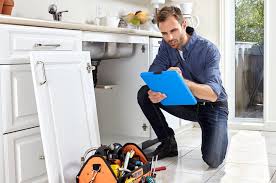
Water damage can strike suddenly and leave a home or business in chaos. Whether it’s due to flooding, burst pipes, or natural disasters, dealing with water damage requires swift action and methodical planning. Proper water damage cleanup is essential to prevent further structural deterioration, mold growth, and costly repairs. This guide outlines the crucial steps to effectively manage water damage and restore your property safely.
Understanding the Risks of Water Damage
Before diving into cleanup, it’s important to understand the risks associated with water intrusion. Water can quickly compromise the integrity of floors, walls, and ceilings. Beyond structural concerns, prolonged exposure to moisture creates the perfect environment for mold and mildew, which can pose serious health risks. Electrical systems are also at risk, making it critical to ensure safety before beginning any cleanup efforts. Recognizing these risks helps homeowners and property managers prioritize actions and prevent long-term consequences.
Assessing the Damage
The first step in water damage cleanup is a thorough assessment of the affected areas. This involves identifying the source of water, determining the extent of flooding, and noting which materials have been affected. Carpeting, drywall, and furniture can retain water and may require removal or special treatment. During the assessment, it is essential to classify the type of water involved: clean water, gray water, or black water. Clean water is generally safe, originating from sources like rain or broken supply lines. Gray water comes from sinks or washing machines and may contain contaminants, while black water, such as sewage, poses serious health hazards and requires professional handling.
Ensuring Safety First
Safety is paramount during water damage cleanup. Electrical hazards, slippery surfaces, and contaminated water make this task risky. Before entering flooded areas, turn off electricity at the main breaker if it is safe to do so. Wear protective clothing, gloves, and waterproof boots. Use masks if mold or sewage is present. Ensuring safety prevents injuries and long-term health issues, which can complicate the cleanup process.
Removing Standing Water
Once the area is assessed and safety measures are in place, the next step is removing standing water. This can be done using pumps, wet-dry vacuums, or buckets, depending on the severity of the flooding. For minor incidents, a mop and towels may suffice, but larger areas will require industrial-grade equipment. Rapid water removal is critical because prolonged standing water can damage flooring, weaken walls, and increase the risk of mold. Always dispose of contaminated water according to local regulations, especially if it comes from gray or black water sources.
Drying and Dehumidifying Affected Areas
After removing standing water, drying and dehumidifying the affected areas is essential. Use fans, open windows, and dehumidifiers to circulate air and reduce moisture. Moisture meters can help track drying progress and ensure that hidden pockets of water are addressed. Carpets, furniture, and drywall may need special attention. Proper drying prevents further structural damage and significantly reduces the chance of mold growth.
Cleaning and Disinfecting Surfaces
Water damage often brings contaminants that need thorough cleaning and disinfecting. Hard surfaces should be scrubbed with water and detergent, followed by a disinfectant solution. Soft materials, such as carpets and upholstery, may require professional cleaning or even disposal if contamination is severe. Disinfecting prevents the spread of bacteria, viruses, and fungi, safeguarding the health of inhabitants and preventing lingering odors.
Removing Damaged Materials
In many cases, water-damaged materials cannot be salvaged. Carpeting, drywall, insulation, and wooden furniture may need removal to prevent mold and structural compromise. Cutting out damaged drywall and removing soaked insulation ensures that no hidden moisture remains behind walls. Wooden items should be evaluated for warping or weakening; damaged pieces may require replacement. Removing unsalvageable materials is often the hardest part of water damage cleanup, but it is necessary to restore the property properly.
Mold Prevention and Remediation
Mold can develop within 24-48 hours of water exposure, making prevention a critical step in water damage cleanup. Keep humidity levels low using dehumidifiers and ventilation. Clean and disinfect surfaces, and treat areas prone to mold growth with anti-fungal solutions. If mold has already appeared, professional remediation may be required. Ignoring mold can lead to serious health issues, including respiratory problems and allergic reactions, as well as further structural damage.
Restoring the Property
Once the area is dry, clean, and free of mold, the focus shifts to restoration. This includes replacing drywall, flooring, and insulation, as well as repainting and repairing fixtures. Professional water damage cleanup services often provide reconstruction assistance, ensuring that the property is returned to its pre-damage condition. Restoration is the final step in the process, transforming a damaged space into a safe and livable environment.
Importance of Professional Help
While minor water damage can be managed by homeowners, significant flooding or contamination requires professional intervention. Experts in water damage cleanup have the equipment, training, and experience to handle complex situations safely. They can identify hidden moisture, mitigate mold risks, and restore structural integrity efficiently. Hiring professionals not only saves time but also reduces the likelihood of long-term problems.
Conclusion
Effective water damage cleanup requires prompt action, careful planning, and attention to detail. By assessing damage, ensuring safety, removing water, drying and disinfecting, preventing mold, and restoring the property, homeowners can minimize losses and safeguard health. Understanding the importance of each step, and seeking professional help when necessary, ensures that water damage does not lead to lasting destruction. Prioritizing these essential steps protects both your property and peace of mind, making recovery smoother and more effective.
Water damage cleanup is more than just removing water; it’s about restoring a safe, healthy, and stable environment. Taking the right actions at the right time can prevent costly repairs and long-term health risks, ultimately preserving the value and safety of your property.