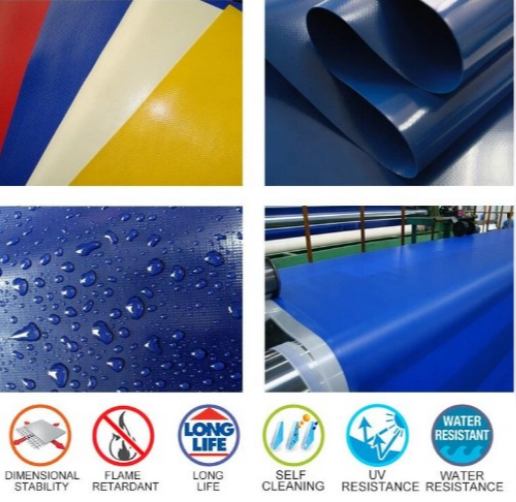
Heating, ventilation, and air conditioning (HVAC) systems play a crucial role in maintaining indoor comfort, air quality, and energy efficiency in homes and commercial buildings. One component that often goes unnoticed but is vital for the proper functioning of these systems is air duct fabric. This material may seem simple, but it has a profound impact on system efficiency, air quality, and longevity.
Understanding Air Duct Fabric
Air duct fabric is a flexible material used to construct air ducts for HVAC systems. Unlike traditional metal ducts, which are rigid and heavy, air duct fabric is lightweight, flexible, and easy to install. Typically made from polyester, fiberglass, or other durable synthetic materials, this fabric is designed to withstand the pressures and temperatures associated with air movement in HVAC systems.
The primary purpose of air duct fabric is to channel conditioned air throughout a building efficiently. It functions as a conduit, ensuring that heated or cooled air reaches every room evenly. Its flexibility allows it to be installed in spaces where rigid metal ducts might be impractical, such as tight corners, low ceilings, or irregularly shaped areas.
Benefits of Using Air Duct Fabric
Energy Efficiency
One of the most significant advantages of using air duct fabric is its ability to improve energy efficiency. Properly installed ductwork ensures that air moves smoothly from the HVAC unit to living spaces without leakage. Traditional metal ducts are prone to leaks, gaps, and corrosion, which can cause conditioned air to escape and force the system to work harder.
Air duct fabric, being lightweight and continuous, minimizes the risk of leaks. This efficiency reduces energy consumption, lowering utility bills while ensuring consistent indoor temperatures. Additionally, the insulating properties of some fabric ducts can prevent heat loss or gain, further enhancing energy efficiency.
Enhanced Air Quality
Indoor air quality is a major concern for homeowners and building managers. Dust, mold, and other contaminants can accumulate in poorly maintained or improperly sealed ducts. Air duct fabric is designed to minimize these issues. Its smooth interior surface prevents the buildup of debris, and it can be treated to resist microbial growth.
Furthermore, because air duct fabric is easy to clean and maintain, regular inspections and cleaning can be performed without significant disruption. This feature ensures that the air circulated throughout a building remains clean and healthy, reducing the risk of allergies, respiratory problems, and other health issues.
Cost-Effectiveness
Compared to traditional metal ducts, air duct fabric is generally more affordable. The material is lightweight, reducing shipping costs and labor expenses associated with installation. Its flexibility also allows for faster installation, especially in buildings with complex layouts.
Maintenance costs are also lower. Metal ducts may require welding, sealing, or replacement due to rust or damage, whereas air duct fabric is easier to repair and replace if needed. For businesses or homeowners looking to invest in a cost-effective HVAC solution without sacrificing performance, air duct fabric offers an excellent alternative.
Noise Reduction
Noise from HVAC systems can be a common complaint, especially in offices, schools, and hospitals. Metal ducts can amplify the sound of moving air, creating disruptive noise. Air duct fabric, however, absorbs sound rather than transmitting it. Its soft, flexible structure reduces vibrations and air turbulence, resulting in quieter operation. This feature makes it particularly suitable for environments where noise control is essential.
Versatility in Design
Air duct fabric is highly adaptable. It can be fabricated into various shapes and sizes to meet the specific needs of a building. Round, oval, and rectangular ducts are all possible, and the fabric can be color-coded or treated for aesthetic purposes.
This versatility makes air duct fabric an excellent choice for modern architectural designs where traditional metal ducts might be visually obtrusive. It also allows for integration with other HVAC components such as diffusers, dampers, and fans without compromising performance.
Installation Considerations
While air duct fabric offers many advantages, proper installation is critical to its effectiveness. It must be supported adequately to prevent sagging, which could obstruct airflow. Suspension systems, brackets, or ceiling mounts are often used to keep the fabric duct in place.
Sealing and joining sections correctly is another important factor. Unlike metal ducts, which are rigid and often connected with screws or welding, air duct fabric sections are joined using specialized clamps or adhesive tapes designed for high-pressure airflow. Improper installation can lead to leaks, reduced efficiency, and uneven air distribution.
Insulation may also be necessary in some cases, especially for systems that run through unconditioned spaces like attics or basements. Insulated fabric ducts help maintain the temperature of the air within the ducts, preventing energy loss and condensation.
Maintenance and Longevity
Air duct fabric is relatively low-maintenance compared to traditional metal ducts, but it still requires periodic attention. Regular inspections can identify signs of wear, sagging, or contamination. Cleaning should be performed according to manufacturer guidelines to avoid damaging the material.
Most air duct fabric products are durable and resistant to tearing, UV exposure, and microbial growth. With proper care, they can last for many years, providing a reliable and efficient air distribution solution.
Applications in Various Settings
Air duct fabric is suitable for a wide range of applications. In commercial buildings such as offices, shopping malls, and hospitals, it provides an efficient and quiet method of air distribution. In industrial settings, it can handle large volumes of air while maintaining performance standards.
Residential applications are also growing. Homeowners increasingly prefer air duct fabric for its flexibility, energy efficiency, and ease of installation in retrofit projects. Its ability to fit into tight spaces and conform to unique layouts makes it ideal for modern homes with complex architectural designs.
Environmental Benefits
Sustainability is an important consideration in today’s construction and HVAC practices. Air duct fabric is often made from recyclable materials and has a smaller carbon footprint compared to metal ducts, which require energy-intensive manufacturing processes.
Additionally, its energy efficiency contributes to reduced greenhouse gas emissions by lowering the energy consumption of HVAC systems. For environmentally conscious builders and homeowners, air duct fabric represents a greener choice.
Conclusion
Air duct fabric is more than just a lightweight alternative to traditional metal ducts. Its flexibility, cost-effectiveness, energy efficiency, and noise reduction make it an essential component for modern HVAC systems. By ensuring even air distribution, reducing energy loss, and improving indoor air quality, air duct fabric enhances both comfort and system performance.
For anyone looking to optimize their HVAC system, whether in residential, commercial, or industrial settings, investing in high-quality air duct fabric is a decision that delivers both short-term benefits and long-term value. Its versatility, ease of installation, and environmental advantages position it as a forward-thinking solution in the evolution of air distribution technology.