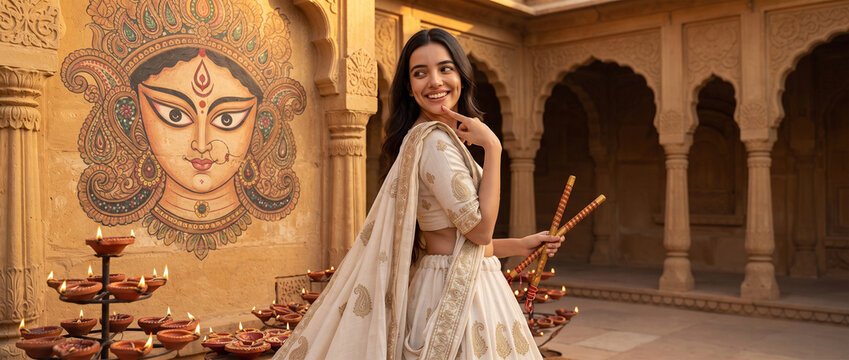
When the temperature drops, winter festive celebrations, weddings, and cultural gatherings begin to peak. Bringing out rich textures, vibrant jewel tones, and intricate embellishments makes winter one of the most exciting seasons for dressing up. However, the biting cold often poses a dilemma: how do you stay warm without drowning out the beauty of traditional Indian outfits?
For decades, the standard winter solution was a heavy shawl draped over a silk saree or an embroidered suit. While traditional, shawls can easily slip, require constant adjusting, and sometimes conceal the intricate embroidery of an ensemble. Today, modern styling offers a stylish and functional alternative: pairing jackets and capes with Indian ethnic wear.
By blending contemporary outer layers with classic garments, you can craft a sophisticated, cozy, and memorable look. Here is your ultimate guide to mastering the art of layering jackets and capes with traditional ensembles during cold weather.
The Evolution of Winter Layering in Traditional Fashion
layering in Indian ethnic wear has evolved from purely functional warmth into a high-fashion statement. Modern silhouettes allow fashion enthusiasts to experiment with structural contrasts—combining tailored, structured outerwear with soft, flowing fabrics like chiffon, silk, and georgette.
Integrating tailored jackets and fluid capes into traditional wardrobes creates a harmonious blend of structure and motion. Outerwear is no longer an afterthought added to survive cold breezes; it has become an integral part of the outfit, elevating even simple ensembles into modern masterpieces.
Choosing the Right Layer: Jackets vs. Capes
To build a cohesive winter outfit, it helps to understand how different types of outerwear complement various silhouettes. Both jackets and capes bring distinct aesthetics and functional benefits to winter wardrobes.
The Power of Structured Jackets
Jackets offer crisp lines, defined shoulders, and a tailored silhouette. They are ideal for adding definition to volume-heavy garments or giving a polished, regal structure to fluid drapes.
- Cropped Velvet Jackets: Velvet acts as a natural insulator while exuding luxury. A short velvet jacket embroidered with zardozi or tilla work pairs effortlessly with high-waisted lehengas, ghararas, or high-waisted skirts.
- Long Silk Jackets and Trench Coats: Floor-length brocade or raw silk jackets add drama and full-body warmth. Wearing an open-front long silk jacket over an anarkali or a tailored straight suit creates an elongated silhouette.
- Nehru and Bandhgala Jackets: Borrowing from classic menswear, fitted bandhgala jackets offer an elegant, structured top layer over silk tunics or sarees, giving traditional attire a modern androgyne edge.
The Charm of Flowing Capes
Capes offer motion, softness, and dramatic flair without restricting movement. Because they drape loosely over the shoulders, capes work exceptionally well over embellished outfits where fitted sleeves might feel bulky or uncomfortable.
- Sheer Embroidered Capes: Crafted from organza, net, or lightweight silk, sheer capes add warmth against drafty indoor venues without obscuring intricate embroidery on the garment underneath.
- Heavy Cape Coats: For severe cold or outdoor evening events, floor-length capes made of Pashmina, heavy silk, or lined velvet provide warmth, acting like a wearable blanket while maintaining an regal aesthetic.
- Asymmetrical and Poncho Capes: Asymmetrical hemlines add modern geometric interest, turning a straightforward festive tunic into an avant-garde ensemble.
How to Pair Jackets and Capes with Classic Ensembles
Achieving a balanced look requires matching the right outer layer to your chosen outfit. Here is how to style outerwear across popular festive garments.
1. Elevating the Classic Saree
Draping a heavy shawl over a saree can conceal the blouse design and border details. Replacing or supplementing a shawl with a jacket or cape breathes new life into the drape.
- The Trench and Saree Combo: Wear a long, buttoned jacket over a tucked saree, allowing the pallu to flow through the front opening or drape over one shoulder.
- The Cape Blouse: Replace a standard saree blouse with an embellished capelet that falls over the shoulders, providing chest and shoulder coverage against cold winds.
- Cropped Jackets with Pleated Sarees: A fitted, heavily embroidered cropped jacket worn directly over the blouse adds warmth around the core while leaving the drape intact.
2. Styling Lehengas for Outdoor Winter Weddings
Lehengas feature full skirts that naturally capture air, making core warmth essential during chilly winter evenings.
- The Belted Long Jacket: Wear a floor-length open jacket over a lehenga skirt and blouse combination, securing it at the waist with an embellished belt. This retains heat while defining the waist.
- Sheer Floor-Length Capes: Ditch the traditional dupatta in favor of a cape anchored at the shoulders. It delivers the draped effect of a veil with hands-free convenience.
3. Redefining Anarkalis and Suits
Flowing anarkalis and tailored suit sets adapt easily to outer layers.
- Layered Bandhgalas over Straight Suits: Pair a structured button-up bandhgala over a long silk kurta and straight trousers for a sharp, refined profile.
- Contrast Capes over Monochrome Sets: Neutral or monochromatic suit sets gain depth when topped with a bold, contrasting cape featuring detailed threadwork or mirror embellishments.
Fabric Selection and Color Coordination for Cold Weather
Selecting the right fabrics ensures your outfit retains heat without looking overly bulky. Cold-weather layering relies heavily on thoughtful texture pairing.
Warm Fabrics for Winter Outerwear
- Velvet: Dense, rich, and naturally warm, velvet holds structural shapes while reflecting light beautifully.
- Brocade and Raw Silk: Heavy silk weaves trap body heat, offering a sturdy base for elaborate embroidery.
- Pashmina and Fine Wool: Soft and highly insulating, wool-blend jackets or capes keep cold weather at bay without adding weight.
Palette and Pattern Harmony
- Monochromatic Depth: Wearing outer layers in the exact shade of your base garment creates a streamlined, tall silhouette.
- Jewel-Toned Contrasts: Dark winter tones like emerald green, royal blue, deep wine, and burnt orange pair beautifully with warm gold or silver embellishments.
- Balancing Embellishments: If your saree or lehenga is heavily detailed, opt for a minimally textured jacket with subtle border work to avoid visual clutter. Conversely, pair plain silk ensembles with heavily embellished capes as the focal point.
Essential Styling Tips for Cold-Weather Layering
- Prioritize Thermal Base Layers: Keep outer layers sleek by wearing seamless thermal tops and leggings underneath your garments.
- Highlight the Waist: Deep winter layers can obscure body proportions. Incorporate cloth belts, metal waistbands, or tailored cuts to maintain a clear outline.
- Choose Statement Accessories: Jackets and capes draw attention upward. Accentuate high necklines and heavy shoulders with bold earrings, maang tikkas, or statement rings rather than bulky necklaces.
- Mind the Footwear: Pair warm outer layers with closed-toe footwear like embellished juttis, velvet pumps, or embroidered boots to keep your feet protected from cold floors.
Embracing Warmth and Elegance
Cold weather should never force you to choose between staying warm and looking stylish. Incorporating structured jackets and fluid capes into Indian ethnic wear offers practical comfort without sacrificing traditional grace. By mixing rich fabrics, playing with complementary lengths, and selecting flattering cuts, you can create winter festive outfits that are equal parts cozy and striking.