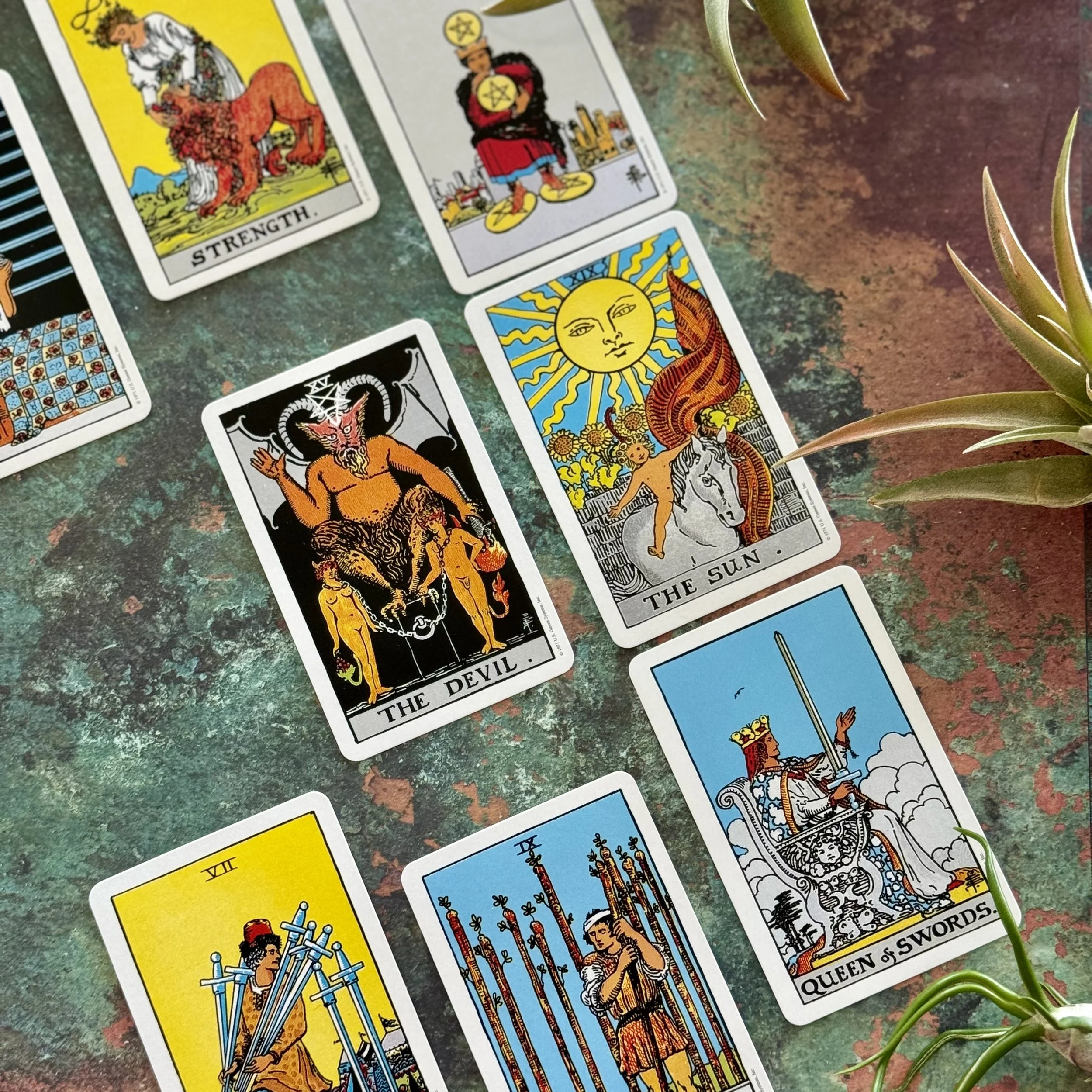
Tarot cards have captivated minds, guided seekers, and inspired curious thinkers for centuries. Far from being a mere tool for fortune-telling, a tarot deck serves as a rich visual mirror reflecting human psychology, life experiences, spiritual archetypes, and subconscious thoughts. Whether you are holding a deck for the first time or looking to deepen your intuitive connection with the images, having a reliable tarot card meanings guide is essential to unlocking the profound language of tarot symbolism.
The Structure of a Standard Tarot Deck
To understand tarot symbolism, it helps to first grasp how a standard 78-card deck is constructed. A standard deck is divided into two distinct sections: the Major Arcana and the Minor Arcana. Each section plays a unique role in a reading, highlighting either major life milestones or daily experiences.
The Major Arcana: The Soul’s Journey
The Major Arcana consists of 22 cards numbered from 0 to 21. These cards represent major life themes, karmic lessons, macro-level events, and spiritual growth. Often referred to as “The Fool’s Journey,” this sequence traces a person’s evolution from innocence and unformed potential (The Fool) to self-actualization and wholeness (The World).
When Major Arcana cards dominate a spread, it indicates that the seeker is experiencing significant life transitions, major shifts in perspective, or profound spiritual lessons that require deep attention.
The Minor Arcana: Day-to-Day Realities
The remaining 56 cards form the Minor Arcana, which focuses on daily affairs, emotional states, practical situations, and temporary circumstances. The Minor Arcana is split into four suits, each corresponding to an element and a specific facet of human existence:
- Wands (Fire): Represents passion, ambition, creativity, action, and spirituality.
- Cups (Water): Represents emotions, relationships, intuition, feelings, and connections.
- Swords (Air): Represents intellect, communication, thoughts, truth, and conflict.
- Pentacles (Earth): Represents material needs, finances, work, physical health, and manifest reality.
Key Symbols and Imagery in Tarot
Every detail on a traditional tarot card—from colors and animals to geometric shapes and landscapes—carries meaning. Recognizing these recurring symbols enriches your reading practice and provides a deeper tarot card meanings guide for intuitive interpretation.
Color Symbolism
Colors evoke emotional and psychological responses, anchoring the visual tone of each card:
- Yellow: Symbolizes consciousness, mental clarity, optimism, and divine intellect.
- Blue: Symbolizes sub-consciousness, intuition, calm, truth, and deep emotional wisdom.
- Red: Symbolizes passion, energy, desire, vitality, and physical action.
- White: Symbolizes purity, innocence, fresh starts, and truth.
- Black: Symbolizes the unknown, potential, transformation, or hidden aspects of the mind.
Common Symbols and Their Meanings
- Water and Rivers: Represent the flow of emotions, subconscious feelings, and the passage of time.
- Mountains: Represent challenges, obstacles, spiritual quests, and higher perspective.
- Sun and Moon: The Sun brings light, clarity, joy, and truth, whereas the Moon reveals illusions, shadow work, intuition, and hidden anxieties.
- Towers and Structures: Symbolize human constructs, security, social order, or sudden structural changes.
- Pathways and Roads: Indicate choices, long-term direction, personal growth, and destiny.
Navigating the Major Arcana: Key Symbolism
Here is a look at several iconic Major Arcana cards and how their visual symbolism influences their foundational meaning:
The Fool (0)
The Fool depicts a youth standing near the edge of a cliff, looking upward with a small bundle over his shoulder and a dog at his side.
- Symbolic Meaning: Represents absolute beginnings, innocence, faith, spontaneous action, and taking a leap into the unknown. The cliff highlights risk, while the white dog symbolizes loyalty, guidance, and instinctual caution.
The Magician (I)
The Magician stands with one hand pointing up toward the heavens and the other pointing down to the earth, surrounded by the tools of all four Minor Arcana suits on his table.
- Symbolic Meaning: Represents manifestation, resourcefulness, power, and conscious action. The posture embodies the famous hermetic principle, “As above, so below,” showing the ability to turn abstract ideas into physical reality.
The High Priestess (II)
Seated between two pillars—one black with the letter ‘B’ (Boaz) and one white with the letter ‘J’ (Jachin)—The High Priestess holds a sacred scroll while sitting before a veil decorated with pomegranates.
- Symbolic Meaning: Represents intuition, secret knowledge, the subconscious mind, and divine mystery. The contrasting pillars represent duality, while the pomegranates symbolize spiritual richness and fertility.
The Tower (XVI)
A tall tower situated atop a mountain is struck by lightning, throwing occupants from its burning windows as a crown falls from its roof.
- Symbolic Meaning: Represents sudden upheaval, realization of truth, structural breakdown, and liberating insights. Although intense, the lightning strike destroys false illusions, allowing genuine foundations to be rebuilt.
Decoding the Minor Arcana Suits
Understanding suit themes allows you to quickly identify what realm of life a reading addresses:
Suit of Wands: The Element of Fire
Cards in the Wands suit often feature wooden staves sprouting green leaves, symbolizing life force and growth. They depict scenes of movement, celebration, struggle, and leadership.
- Focus: Career drive, creative energy, personal enthusiasm, enterprise, and overcoming creative roadblocks.
Suit of Cups: The Element of Water
Cups cards showcase chalices overflowing with water, peaceful or stormy seas, and emotional interactions between people.
- Focus: Matters of the heart, romantic relationships, friendships, self-care, emotional healing, and artistic expression.
Suit of Swords: The Element of Air
Swords cards frequently display sharp blades, clouds, windy skies, and scenes of mental dilemma or resolution.
- Focus: Mental clarity, decision-making, direct communication, anxiety, truth, and intellectual challenges.
Suit of Pentacles: The Element of Earth
Pentacles cards depict coins inscribed with pentagrams, fertile gardens, craftsmanship, archways, and tangible rewards.
- Focus: Wealth management, physical well-being, home stability, long-term investments, work ethic, and career progression.
How to Read Court Cards
The Court Cards—Page, Knight, Queen, and King—often represent specific people, personality types, or stages of maturity in relation to the suit’s energy:
- Pages: Messengers, beginners, curious learners, or fresh inspiration.
- Knights: Action-takers, explorers, driven individuals, or fast-moving energies.
- Queens: Masters of internal energy, nurturing figures, intuitive, and emotionally stable leaders.
- Kings: Masters of external energy, authoritative figures, strategists, and established leaders.
Building Your Intuitive Reading Practice
While studying traditional card meanings provides a strong foundation, the real magic of tarot happens when you synthesize structured knowledge with personal intuition.
- Examine the Whole Picture: Look at the overall colors, posture of figures, and initial emotions the card evokes in you before consulting reference material.
- Look for Storylines: In a multiple-card spread, notice how figures face one another, how colors shift across cards, and how the narrative progresses.
- Journal Your Observations: Keep a daily log where you draw a single card and record both its traditional symbolism and your immediate intuitive impression.
By combining foundational card knowledge with your personal intuition, this tarot card meanings guide serves as a stepping stone to developing a meaningful, insightful, and personal tarot practice.
Would you like to explore a specific card’s symbolism in deeper detail, or discuss a particular multi-card reading spread next?