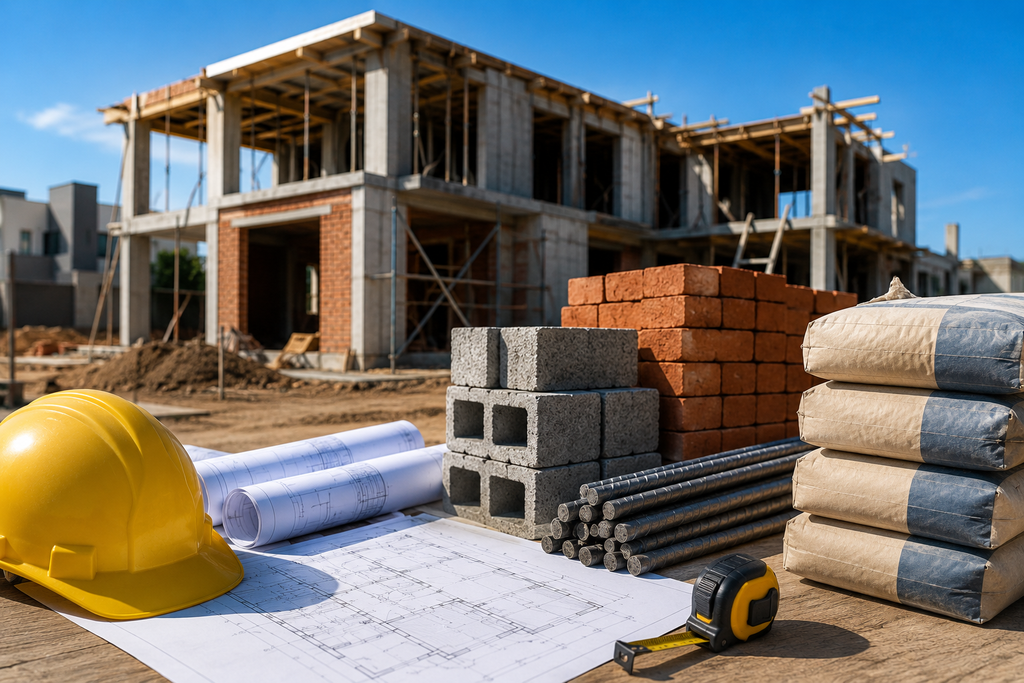
Building a structure—whether it is a residential home, a commercial space, or a multi-family complex—is one of the most significant financial investments an individual or organization can undertake. Estimating the total construction cost is rarely straightforward because it depends on a complex web of variables, market conditions, and design choices. A miscalculation in the early planning stages can lead to budget overruns, project delays, or compromised structural integrity. Understanding the primary cost drivers helps developers, architects, and owners allocate funds wisely, manage expectations, and maintain financial control throughout the project lifecycle.
1. Location and Site Conditions
The geographical location of a construction project exerts a profound influence on its overall price tag. Labor rates, local building codes, transportation expenses, and the availability of skilled tradespeople vary significantly from one region to another. Furthermore, the specific characteristics of the building site itself dictate the complexity and cost of the preliminary phase of construction.
Site Preparation and Topography
A flat, clear, and stable plot of land requires minimal site work. However, sloping lots, rocky terrain, or dense vegetation demand extensive grading, excavation, and land clearing before a foundation can even be poured.
Soil Bearing Capacity
Soil testing is critical. Poor soil conditions, such as high clay content, loose sand, or a high water table, require specialized foundation engineering, deep pilings, or soil stabilization techniques. These underground enhancements can drive up foundation costs exponentially before visible framing begins.
Accessibility and Utilities
If a building site is remote or difficult to access, transporting heavy machinery and construction materials becomes costly. Additionally, connecting a new building to municipal utilities—such as water, electricity, sewage, and gas—can incur massive fees if the lines are located far from the property boundary. In remote areas, alternative systems like septic tanks, solar panels, and well-drilling must be budgeted.
2. Architectural Design and Complexity
The architectural blueprint is the ultimate roadmap for a building, and its complexity directly dictates the cost of execution. Simple, rectangular geometries are inherently more cost-effective to build because they optimize material usage and simplify framing.
Structural Geometry and Height
Complex architectural features such as curves, cantilevers, multi-story open voids, and asymmetrical rooflines require specialized engineering, custom formwork, and advanced structural steel or reinforced concrete systems. Taller buildings also require elevators, complex scaffolding, and robust wind-load engineering, which raise both material and labor expenses.
Floor-to-Area Ratio and Spatial Efficiency
The overall footprint and layout affect material volume. Efficient floor plans minimize wasted space, reducing the total square footage required to achieve the desired functional capacity. Conversely, sprawling single-story layouts require larger foundations and larger roofs per square foot of usable space, increasing per-unit costs.
3. Materials and Quality Finishes
Material selection represents a massive portion of the direct construction budget. The market price of raw commodities like lumber, steel, concrete, and copper fluctuates based on global supply chains, trade policies, and inflation. Beyond structural materials, the tier of finishes chosen for the interior and exterior defines the upscale or economy status of the building.
Structural Framing Materials
Choosing between wood framing, light-gauge steel, reinforced concrete, or structural steel frames depends on building codes, durability requirements, and regional availability. Each material has distinct cost implications regarding procurement, installation speed, and labor expertise.
Interior and Exterior Finishes
Finishes are often categorized into economy, mid-range, and luxury tiers. Hardwood floors, natural stone countertops, custom cabinetry, high-end HVAC systems, and elaborate architectural millwork multiply material costs. Similarly, exterior cladding choices—such as standard vinyl siding versus architectural stone, brick veneer, or custom curtain wall glass—create dramatic variances in the total budget.
4. Labor, Subcontractors, and Professional Fees
Construction is a labor-intensive industry. The cost of labor is driven by local supply and demand, union regulations, and the specialized skill levels required for specific trades, such as electricians, plumbers, structural welders, and finish carpenters.
General Contractor Overhead and Profit
Hiring a reliable general contractor (GC) involves paying a markup that typically ranges from ten to twenty percent of the total project cost. This fee covers site supervision, project management, insurance, licensing, and the contractor’s profit margin. While trying to bypass a GC can seem like a cost-saving measure, the risk of mismanagement often outweighs the initial savings.
Professional Design and Engineering Services
Before ground is broken, various professionals must be compensated. These include architects, structural engineers, MEP (mechanical, electrical, plumbing) engineers, interior designers, and landscape architects. Their fees ensure that the building is safe, code-compliant, and functional.
5. Permitting, Regulatory Compliance, and Soft Costs
Soft costs are expenses that are not tied to physical building materials or direct on-site labor, yet they are mandatory for project completion.
Permits, Impact Fees, and Inspections
Local municipalities require various permits before construction can commence. Depending on the jurisdiction, developers may also have to pay impact fees to offset the strain the new building will place on local public infrastructure, such as roads, schools, and sewage treatment plants. Mandatory building inspections throughout the construction phases also incur fees.
Insurance and Legal Expenses
Comprehensive builder’s risk insurance, general liability insurance, and worker’s compensation are essential safeguards against on-site accidents, weather damage, and theft. Legal fees for drafting contracts, zoning variances, and land acquisition add further to the soft cost ledger.
6. Macroeconomic Trends and Regional Cost Projections
Construction costs do not exist in a vacuum; they fluctuate alongside global and regional economic conditions. Inflationary pressures, interest rate fluctuations affecting construction loans, and supply chain disruptions can alter cost projections from the planning phase to the execution phase. When analyzing regional markets, stakeholders must look at local cost-of-living adjustments and regional housing indexes. For instance, when evaluating international markets, urban developers often analyze metrics such as how much it costs to build locally—similar to studying data trends around cuánto cuesta construir una casa en México 2027—to understand how projected inflation, currency exchange rates, and labor market shifts will impact future bottom lines. Keeping a close eye on macroeconomic forecasts ensures that budgets include adequate contingency funds to absorb unexpected market shocks.
Conclusion
Calculating the total construction cost of a building requires a comprehensive evaluation of multiple interconnected factors. From site selection and architectural design to material grades, labor dynamics, and regulatory compliance, every choice ripples through the financial plan. By understanding these key variables and maintaining a realistic contingency fund—typically ten to twenty percent of the total budget—project owners can navigate the complexities of construction successfully, ensuring that their vision becomes a reality without facing catastrophic financial strain.