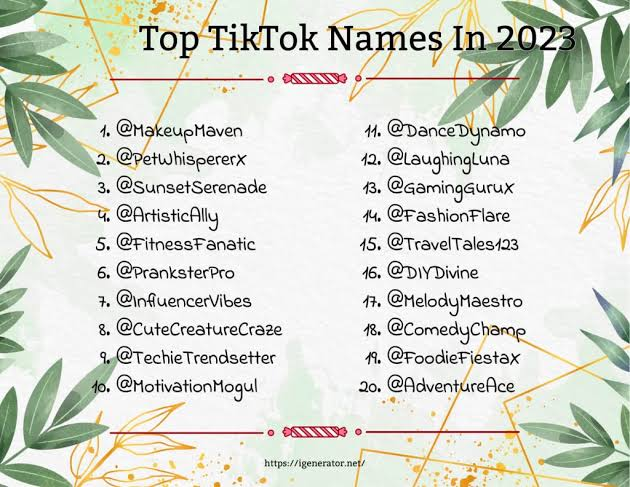
Social media has become an essential part of modern marketing, helping businesses connect with customers, promote products, build brand awareness, and increase engagement. However, managing tiktok username generator multiple platforms can be challenging, especially for small businesses, freelancers, content creators, and startups working with limited budgets. Creating attractive posts, writing captions, scheduling updates, and analyzing performance all require time and effort. Fortunately, free social media tools can make these tasks easier and more efficient.
With the right combination of tools, marketers can simplify their daily workflows, maintain consistent publishing schedules, and develop effective content strategies without immediately investing in expensive software. From graphic design and video editing to analytics and audience engagement, free tools provide practical solutions for many common marketing challenges.
Why Free Social Media Tools Matter
Free social media tools help individuals and businesses manage their online presence without increasing their marketing expenses. They are particularly useful for beginners who want to explore different strategies before committing to paid subscriptions.
One major advantage is improved productivity. Instead of completing every task manually, marketers can use specialized tools to prepare content, organize campaigns, and monitor results. This creates more time for planning creative ideas and interacting with audiences.
Another benefit is accessibility. Many platforms offer free plans with essential features, making professional-looking content and basic marketing management available to users with different experience levels.
Although free versions sometimes include usage limits, restricted features, or watermarks, they can still provide significant value when selected according to specific marketing needs.
Best Types of Free Social Media Tools
Different marketing activities require different solutions. Understanding the main categories helps users build a simple and effective toolkit.
1. Graphic Design Tools for Attractive Content
Visual content plays an important role in social media marketing. Eye-catching graphics can communicate messages quickly, highlight products, and encourage audiences to interact with posts.
Tools such as Canva offer free design features, templates, fonts, and visual elements that help users create social media graphics without advanced design skills. Users can prepare Instagram posts, Facebook banners, promotional graphics, and other marketing materials.
Adobe Express is another option for creating branded visuals, flyers, short videos, and social media content. Its free features can help marketers experiment with different layouts and creative styles.
Using design tools consistently also helps businesses maintain a recognizable visual identity. Choosing similar colors, typography, and design elements across platforms makes content look more organized and professional.
2. Free Video Editing Tools for Short-Form Content
Short videos are an important format across platforms such as Instagram, TikTok, YouTube, and Facebook. Product demonstrations, tutorials, behind-the-scenes clips, and educational videos can help brands communicate with audiences in engaging ways.
Free video editing tools allow creators to trim clips, add captions, combine scenes, adjust audio, and improve the presentation of their videos.
CapCut offers a range of editing features, although specific tools and availability can vary by device, region, and plan. DaVinci Resolve also provides a capable free desktop option for users who need more advanced video editing functionality.
When creating short-form videos, marketers should prioritize clear messaging, readable captions, suitable audio, and an engaging opening. A simple video that answers a relevant audience question can be more effective than a complicated production without a clear purpose.
3. Free Social Media Scheduling Tools
Publishing content consistently can be difficult when several platforms require regular updates. Scheduling tools help marketers prepare posts in advance and organize their publishing calendars.
Meta Business Suite provides tools for managing eligible Facebook and Instagram business accounts, including content publishing, scheduling, messages, and performance insights. It can be especially helpful for businesses that primarily use Meta platforms.
Buffer also offers social media management features, with availability and limits depending on its current free plan. Such tools can help creators organize upcoming posts and reduce the need to publish every update manually.
Before selecting a scheduling platform, check which social networks it supports and whether its free plan includes the features you need.
A practical approach is to create a weekly content calendar, prepare several posts in one session, and schedule them for suitable publishing times. This makes marketing activities easier to manage while leaving room for timely updates.
4. Free Social Media Analytics Tools
Publishing content is only one part of a successful marketing strategy. Understanding how audiences respond is equally important.
Analytics tools provide information about reach, impressions, engagement, clicks, audience activity, and other performance indicators. These insights help marketers identify which topics and formats attract attention.
Instagram Insights and Facebook Insights, available through eligible professional accounts and Meta’s business tools, provide useful performance information. TikTok and YouTube also offer analytics features for eligible accounts and channels.
By reviewing these statistics regularly, businesses can identify patterns in audience behavior. For example, educational videos might receive more saves, while product demonstrations might generate more clicks or inquiries.
Instead of focusing exclusively on follower growth, marketers should track metrics connected to their objectives. Engagement rate, website traffic, conversions, and meaningful audience interactions can offer a clearer picture of campaign effectiveness.
5. Free Tools for Writing Captions and Generating Ideas
Creating fresh content ideas every day can become exhausting. Writing tools and brainstorming assistants can help marketers develop captions, organize topics, and explore different approaches to communicating a message.
ChatGPT can assist with generating content ideas, drafting captions, creating content calendars, and adapting messages for different audiences. Other writing assistants may provide grammar suggestions, readability improvements, and editing support through their free plans.
However, generated content should always be reviewed before publication. Marketers need to check factual accuracy, remove repetitive language, and ensure that each message reflects their brand’s voice.
For stronger results, provide clear instructions about the intended audience, platform, tone, and purpose. For example, a request for an informative LinkedIn post should differ from a request for a short, entertaining TikTok caption.
Combining writing assistance with original experience and customer insights can help businesses create more useful and authentic content.
How to Choose the Right Free Social Media Tools
The best toolkit depends on your goals, available time, and preferred platforms. Choosing too many applications can create unnecessary complexity, so it is better to begin with a few tools that address your biggest challenges.
Consider these factors before making a decision:
- Ease of use: Select tools that fit your current skill level and workflow.
- Essential features: Check whether the free version includes the functions you need.
- Platform compatibility: Make sure the tool supports your preferred social networks.
- Time savings: Prioritize features that reduce repetitive work.
- Privacy and security: Review permissions, account access, and data policies before connecting business profiles.
- Room to grow: Consider whether the platform can support your needs as your audience expands.
It is also important to review free-plan limitations. Some services restrict the number of scheduled posts, available templates, connected accounts, exports, or monthly uses of advanced features. Checking these details beforehand helps prevent unexpected interruptions.
Building an Efficient Social Media Marketing Workflow
Free tools become more valuable when they work together as part of a clear process.
Start by identifying your marketing objectives. These might include increasing brand awareness, attracting website visitors, generating leads, or improving customer engagement. Your objectives determine which content formats and performance metrics matter most.
Next, create a content calendar based on audience interests. Educational posts, product updates, customer questions, short videos, and industry tips can provide variety without making the publishing schedule difficult to maintain.
Use a design tool to prepare graphics and a video editor to produce suitable clips. Writing assistants can help develop initial captions, while scheduling platforms can organize publication dates.
After publishing, review analytics to understand what worked. Record useful observations and apply them to future content rather than repeating the same approach automatically.
A simple weekly workflow might include planning content at the beginning of the week, producing graphics and videos in one session, scheduling posts in advance, and reviewing performance at the end of the week.
This process encourages consistency while reducing the pressure of creating every post at the last minute.
Common Mistakes to Avoid When Using Free Tools
Although free social media tools offer many advantages, they cannot replace a thoughtful marketing strategy.
One common mistake is publishing identical content across every platform without adapting the format or message. Each social network has different audience expectations, so posts should be adjusted accordingly.
Another mistake is prioritizing quantity over quality. Publishing frequently does not guarantee meaningful engagement if the content lacks relevance or value.
Businesses should also avoid relying entirely on automated captions or design templates. Personal insights, original examples, customer feedback, and a recognizable brand voice make content more distinctive.
Finally, do not ignore performance data. Even a basic monthly review can reveal which posts deserve further development and which approaches need improvement.
Conclusion
Free social media tools can simplify content creation and marketing by helping businesses design graphics, edit videos, schedule publications, analyze performance, and develop fresh ideas. Platforms such as Canva, Meta Business Suite, Buffer, and writing assistants offer practical starting points for building a more organized workflow.
The most effective approach is not to use every available tool but to select a small collection that addresses your specific needs. By combining suitable software with thoughtful planning, authentic communication, and regular performance reviews, marketers can maintain a consistent online presence without placing unnecessary pressure on their budgets.
With the right workflow, even individuals and small businesses with limited resources can create useful content, strengthen audience relationships, and make more informed social media marketing decisions.