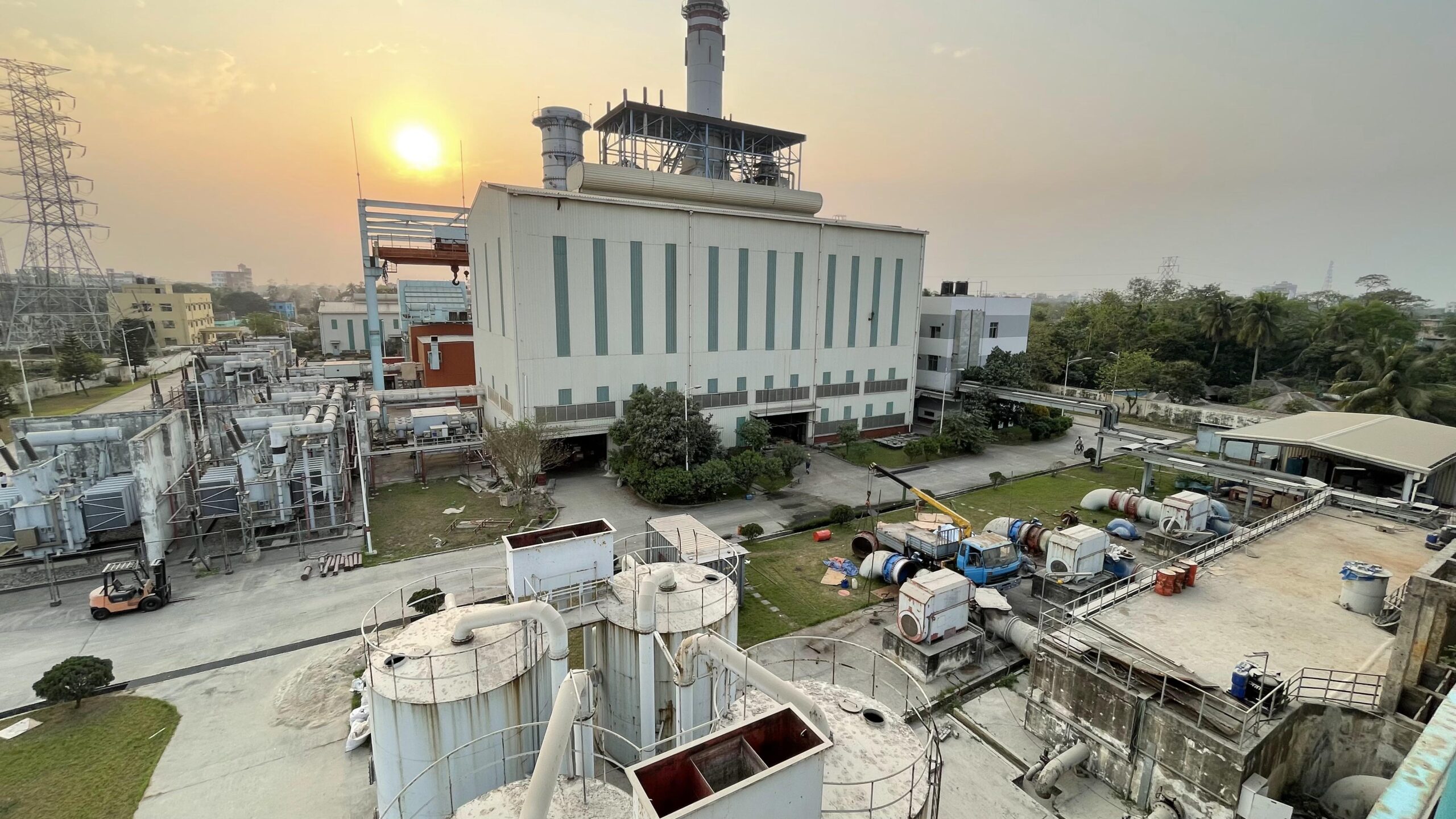
The global energy landscape is evolving rapidly, driven by the growing demand for reliable power, environmental considerations, and technological advancements. Despite the rise of renewable energy sources, coal-fired power remains a vital component of many nations’ energy strategies. For companies like RUNH POWER, which specialize in energy solutions, focusing on efficient and sustainable large-scale coal-fired power plant design is crucial. Optimizing design strategies ensures not only enhanced performance but also compliance with environmental regulations and long-term operational viability.
Key Principles of Large-Scale Coal-Fired Power Plant Design
Designing a large-scale coal-fired power plant requires a careful balance between efficiency, reliability, and environmental impact. RUNH POWER emphasizes a holistic approach that integrates advanced technology with operational best practices. One of the primary considerations is selecting the appropriate boiler and turbine system. Supercritical and ultra-supercritical boilers, for example, provide higher thermal efficiency and lower emissions compared to subcritical systems. These designs allow plants to operate at higher temperatures and pressures, converting more fuel into usable energy.
Another essential design principle is the layout of the plant. Proper spatial planning of the boiler island, turbine hall, coal handling facilities, and emission control systems significantly impacts operational efficiency. RUNH POWER adopts a modular layout strategy that reduces energy loss, improves maintenance accessibility, and minimizes downtime. By designing with both performance and maintainability in mind, the plant ensures consistent electricity generation while lowering long-term operational costs.
Incorporating Advanced Emission Control Technologies
Environmental sustainability is at the forefront of modern power plant design. Large-scale coal-fired power plants must incorporate advanced emission control systems to meet stringent air quality standards. Technologies such as selective catalytic reduction (SCR) for nitrogen oxides, electrostatic precipitators (ESP) for particulate matter, and flue gas desulfurization (FGD) for sulfur dioxide are critical components.
RUNH POWER integrates these systems seamlessly into its design framework, ensuring that plants operate efficiently while minimizing their environmental footprint. Additionally, integrating real-time monitoring and control systems allows operators to adjust combustion parameters dynamically, reducing emissions without compromising energy output. This combination of advanced technology and operational intelligence positions large-scale coal-fired plants as environmentally responsible energy solutions.
Optimizing Coal Handling and Fuel Management
Efficient fuel management is a cornerstone of successful coal-fired power plant operations. A poorly designed coal handling system can lead to fuel wastage, operational delays, and safety hazards. RUNH POWER emphasizes automated coal handling systems that include conveyors, crushers, and storage solutions designed for minimal energy consumption and maximum reliability.
Design strategies also focus on fuel quality monitoring, blending strategies, and pre-treatment methods to optimize combustion efficiency. By maintaining consistent fuel quality and ensuring uniform feeding into boilers, plants achieve higher thermal efficiency and reduced wear on equipment. This approach not only enhances performance but also extends the lifespan of critical components, lowering long-term maintenance costs.
Integrating Digital Solutions for Operational Excellence
Digitalization is transforming large-scale coal-fired power plant design. RUNH POWER leverages digital twin technology, predictive maintenance tools, and advanced control systems to improve operational efficiency. Digital twins create a virtual replica of the plant, allowing engineers to simulate scenarios, predict equipment behavior, and optimize operational parameters before implementation.
Predictive maintenance tools use real-time data and machine learning algorithms to forecast potential failures, enabling proactive maintenance and reducing unexpected downtime. These digital solutions allow RUNH POWER to design plants that are not only efficient at startup but continue to operate at peak performance throughout their lifecycle. The integration of these technologies also supports sustainability goals by reducing resource wastage and improving energy output per unit of coal.
Enhancing Thermal Efficiency Through Innovative Designs
Thermal efficiency is a critical metric in large-scale coal-fired power plant design. Higher efficiency means more electricity generation per unit of fuel, which reduces operational costs and environmental impact. RUNH POWER employs several strategies to enhance thermal efficiency, including optimizing heat recovery systems, employing high-efficiency turbines, and utilizing advanced boiler designs.
Regenerative heat exchangers, for instance, capture residual heat from flue gases and redirect it back into the boiler, improving overall energy utilization. Similarly, careful selection of steam parameters, turbine stages, and condenser designs can significantly boost the plant’s net efficiency. By focusing on these design elements, RUNH POWER ensures that each plant delivers maximum energy output with minimal fuel consumption.
Resilience and Reliability in Plant Design
A large-scale coal-fired power plant must be designed for long-term resilience and reliability. RUNH POWER prioritizes structural integrity, redundancy in critical systems, and robust safety mechanisms. Redundant pumps, generators, and control systems ensure that the plant can maintain continuous operation even during component failures.
Seismic-resistant structures, advanced fire protection systems, and comprehensive safety protocols are integrated into the plant design to safeguard both personnel and equipment. These considerations are especially important for large-scale operations where downtime can result in significant financial losses and impact energy supply stability.
Planning for Future Flexibility
The energy sector is dynamic, and large-scale coal-fired power plants must be designed with future flexibility in mind. RUNH POWER emphasizes adaptable designs that can accommodate evolving fuel sources, emission standards, and integration with renewable energy systems. This forward-looking approach allows plants to incorporate biomass co-firing, carbon capture technologies, or hybrid configurations without extensive retrofits.
By planning for flexibility, RUNH POWER ensures that investments in large-scale coal-fired power plants remain valuable for decades, even as global energy policies and technologies continue to evolve. This strategic foresight positions coal-fired plants as a sustainable and adaptable component of the future energy mix.
Conclusion
Large-scale coal-fired power plant design is no longer just about generating electricity—it’s about efficiency, sustainability, and adaptability. RUNH POWER demonstrates that by integrating advanced boiler and turbine systems, emission control technologies, digital solutions, and forward-thinking layouts, coal-fired power can remain a reliable and environmentally responsible energy source.
Focusing on fuel management, thermal efficiency, and plant resilience ensures operational excellence, while planning for future flexibility prepares these plants for the evolving energy landscape. As the world transitions toward cleaner energy solutions, well-designed large-scale coal-fired power plants continue to play a vital role in meeting global electricity demand while aligning with modern environmental and operational standards.
RUNH POWER’s commitment to innovative design strategies ensures that these power plants are not only efficient and reliable today but are also poised to meet the energy challenges of tomorrow.