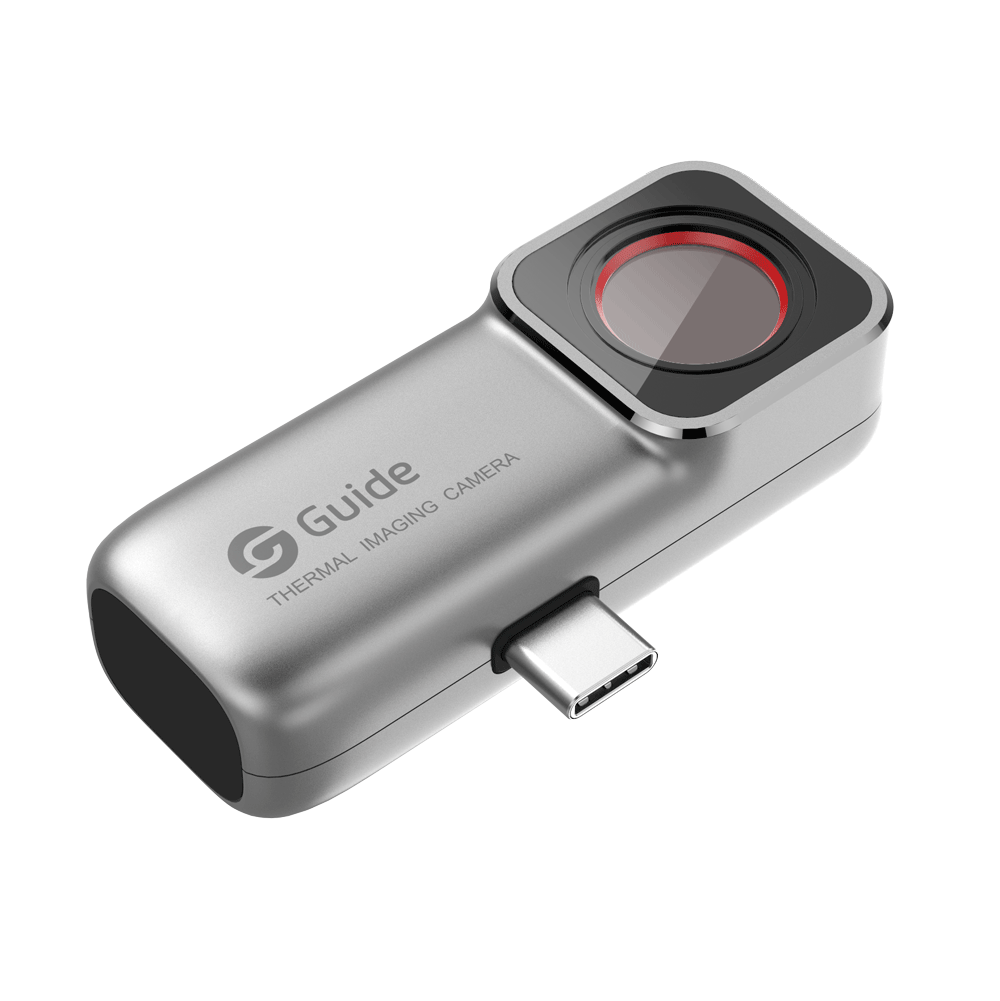
Mobile technology has evolved at an unprecedented pace over the last two decades, transforming from simple communication devices to multifunctional tools that fit into every aspect of our lives. Among the most innovative advancements in recent years is the development of handheld thermal imagers designed to integrate seamlessly with mobile phones. These devices are not just gadgets for enthusiasts; they are shaping the future of industries ranging from construction to healthcare.
Understanding Handheld Thermal Imagers
A handheld thermal imager for mobile phone is a device that detects infrared radiation, essentially heat, and converts it into an image that can be viewed directly on a smartphone. Unlike traditional cameras, which capture visible light, thermal imagers allow users to visualize temperature differences in their environment. This capability opens up countless possibilities for both professional and personal applications.
Modern thermal imagers are compact, lightweight, and powered by the processing capabilities of smartphones. They attach to a phone via USB, Lightning, or wireless connections, enabling users to capture thermal images and videos with ease. The portability of these devices means that complex thermal imaging tasks can now be performed anywhere, without the need for bulky standalone equipment.
How Thermal Imaging Works
Thermal imaging technology relies on sensors that detect infrared energy emitted by objects. Every object with a temperature above absolute zero emits infrared radiation. The handheld thermal imager for mobile phone translates this radiation into a color-coded image where different temperatures are represented by different colors. For example, warmer areas might appear red or yellow, while cooler areas are shown in blue or purple.
The integration of thermal imaging with mobile devices also allows for advanced features such as image enhancement, overlaying thermal data on real-world images, and real-time analysis. Smartphone apps accompanying these imagers provide functionalities like temperature measurement, pattern recognition, and even AI-assisted anomaly detection. This combination of portability and intelligence is revolutionizing how people interact with thermal data.
Applications Across Industries
The handheld thermal imager for mobile phone is not just a novelty; it has real-world applications across multiple sectors. In construction, contractors use thermal imaging to detect heat loss, identify insulation gaps, and spot water leaks behind walls. Electrical engineers rely on these devices to locate overheating circuits or faulty components, preventing potential hazards.
In the healthcare sector, mobile thermal imagers have found a niche in preliminary screening and monitoring of patients. While they do not replace professional medical devices, their ability to quickly detect abnormal temperature patterns makes them a valuable tool for early warning and rapid assessments.
Emergency services also benefit from this technology. Firefighters, for instance, use handheld thermal imagers to navigate smoke-filled environments, locate trapped individuals, and identify hotspots. Security professionals use them for night surveillance or equipment monitoring, while wildlife researchers employ thermal imaging to study nocturnal animal behavior without disturbing the environment.
Advantages Over Traditional Thermal Cameras
Traditional thermal cameras have long been limited by their size, cost, and complexity. The emergence of handheld thermal imagers for mobile phones addresses these limitations by offering a compact, cost-effective, and highly portable alternative. These devices leverage the processing power of smartphones, eliminating the need for dedicated hardware and allowing instant sharing and analysis of thermal images.
Additionally, mobile thermal imagers are easy to operate. Most devices require minimal setup, making them accessible to non-specialists who may not have prior experience in thermal imaging. The integration with smartphone apps means users can quickly capture, store, and annotate images, enabling efficient workflow in professional settings.
Another significant advantage is affordability. While standalone thermal cameras can cost thousands of dollars, handheld options for mobile phones are much more budget-friendly, democratizing access to this powerful technology. This opens opportunities for small businesses, hobbyists, and educational institutions to incorporate thermal imaging into their operations or studies.
Future Trends in Mobile Thermal Imaging
The handheld thermal imager for mobile phone represents just the beginning of a rapidly expanding field. Future developments are likely to focus on higher resolution sensors, faster frame rates, and more intelligent software capabilities. Integration with augmented reality (AR) and artificial intelligence (AI) will allow users to not only see temperature differences but also receive actionable insights in real-time.
We can also expect further miniaturization. As sensor technology advances, thermal imagers may become even smaller, lighter, and more energy-efficient, fitting into sleek smartphone designs or wearable devices. Cloud-based analytics will enable real-time collaboration, allowing teams to share thermal data instantly across locations.
Moreover, mobile thermal imaging could see wider adoption in consumer applications. Homeowners may use it to inspect heating systems or detect plumbing issues, while outdoor enthusiasts might rely on it for wildlife observation or night navigation. The possibilities are virtually limitless, and as technology becomes more integrated, thermal imaging could become a standard feature in future smartphones.
Choosing the Right Mobile Thermal Imager
Selecting the best handheld thermal imager for mobile phone depends on individual needs. Key considerations include resolution, temperature range, frame rate, connectivity, and app functionality. Higher resolution sensors offer more detailed images, while faster frame rates are essential for capturing moving objects accurately. Connectivity options such as Bluetooth or USB-C determine compatibility with different smartphones.
The software ecosystem is equally important. Look for apps that provide features like temperature logging, real-time alerts, image enhancement, and cloud storage. Some advanced models even include AI-driven analysis to detect anomalies automatically, saving time and improving accuracy. Evaluating these factors ensures that the chosen device meets both professional and personal requirements.
Conclusion
Handheld thermal imagers for mobile phones are transforming the landscape of mobile technology, bringing thermal imaging capabilities to the palm of your hand. Their portability, affordability, and versatility make them valuable tools across industries, from construction and healthcare to emergency response and security.
As sensors become more advanced and software smarter, these devices will continue to expand their functionality, offering users unprecedented insights into the world around them. The future of mobile technology is not just about faster processors or higher-resolution screens; it’s about integrating powerful tools like thermal imaging into everyday devices, empowering users to see, analyze, and understand their environment in entirely new ways.
The handheld thermal imager for mobile phone is more than a technological novelty—it’s a glimpse into the future of mobile innovation.