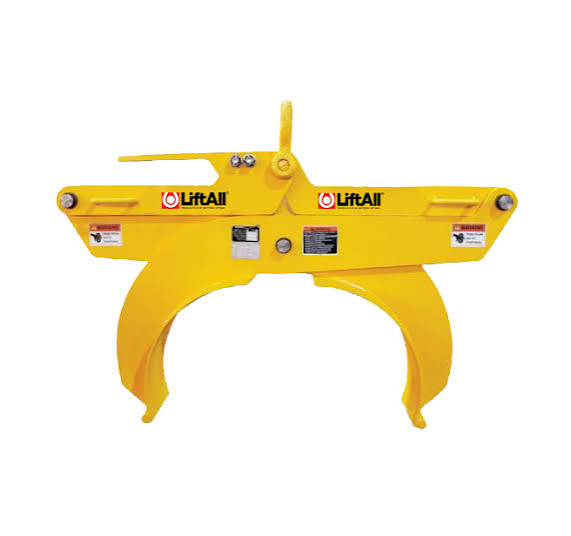
Introduction
Lifting devices for cranes play an important role in modern construction, manufacturing, warehousing, shipping, and heavy industrial operations. These devices help workers move heavy materials, machinery, structural components, and other loads from one location to another with greater efficiency and control. By connecting a crane to the load, lifting devices make material handling more practical while helping reduce manual effort and improve workplace productivity.
Selecting the right lifting equipment is essential for achieving reliable lifting performance. Different materials, load shapes, working environments, and lifting requirements demand different solutions. Understanding the available types of lifting devices, their applications, and their maintenance requirements can help businesses make informed decisions and support safer operations.
What Are Lifting Devices for Cranes?
Lifting Devices For Cranes are specialized tools and attachments used to connect, support, grip, or balance a load during lifting operations. They work alongside cranes to handle materials that may be too heavy, large, or awkward to move manually.
These devices include lifting hooks, slings, shackles, spreader beams, lifting clamps, and various purpose-built attachments. Each device serves a particular function, depending on the material being handled and the conditions of the lifting task.
For example, a sling may connect a crane hook to a machine, while a lifting clamp can hold specific types of metal products. A spreader beam may help distribute lifting forces across a wide load. Choosing equipment that matches the intended application improves load control and helps reduce the risk of damage.
Common Types of Lifting Devices for Cranes
Several types of lifting devices are used across industrial environments. Understanding their differences helps organizations select suitable equipment for their operations.
1. Lifting Hooks
Lifting hooks provide a connection point between the crane and compatible lifting accessories. They are widely used in manufacturing plants, construction projects, workshops, and warehouses.
Hooks are available in different designs and load capacities to accommodate various applications. Some include safety latches that help prevent compatible attachments from slipping out unintentionally. Operators and inspection personnel should check hooks for deformation, cracks, wear, and other signs of damage according to the manufacturer’s requirements.
2. Wire Rope Slings
Wire rope slings are commonly used for lifting heavy industrial materials. They are made from steel wire ropes assembled into lifting configurations suitable for particular applications.
Their strength and durability make them useful in construction, steel production, shipyards, and heavy equipment handling. However, wire rope slings require appropriate inspection because broken wires, corrosion, kinking, and other damage can affect their condition.
3. Chain Slings
Chain slings are designed for demanding industrial lifting environments where robust equipment is required. They are often used to handle heavy machinery, steel components, and industrial materials.
Depending on their design and manufacturer specifications, certain chain slings can accommodate challenging working conditions. Their suitability depends on the load, operating environment, temperature, and other relevant factors. Regular inspections are important for identifying damaged links, excessive wear, and other defects.
4. Synthetic Webbing and Round Slings
Synthetic slings are made from materials such as polyester and are valued for their flexibility and relatively low weight. They can be useful when handling finished products or surfaces that could be scratched by harder lifting accessories.
These slings are commonly found in workshops, manufacturing facilities, and equipment installation projects. Their condition must be monitored carefully because cuts, abrasion, chemical exposure, heat, and ultraviolet radiation can affect their performance.
5. Shackles and Connecting Accessories
Shackles connect compatible lifting components and provide attachment points within a lifting arrangement. They are frequently used with slings, wire ropes, and other approved lifting accessories.
The correct type, size, and rated capacity must be selected for the intended application. Connecting accessories should also be compatible with the loads and forces involved. Damaged, altered, or incorrectly assembled components should not be used.
6. Spreader Beams and Lifting Frames
Spreader beams and lifting frames are designed to support loads that require additional stability or a wider distribution of lifting forces. They are particularly useful for handling long materials, large industrial components, and certain structural assemblies.
Purpose-built lifting frames may also accommodate specific products or manufacturing processes. Their design should account for the intended load, connection points, structural strength, and operating conditions.
Industrial Applications of Crane Lifting Devices
Lifting devices for cranes are used in a wide range of industries because they support the movement of heavy and bulky materials.
Construction and Infrastructure
Construction projects frequently require the movement of steel beams, concrete components, structural frames, and heavy building materials. Suitable lifting devices help connect these loads to cranes and support controlled material placement.
Choosing the right attachment is especially important when handling irregularly shaped components or materials with multiple lifting points. Project teams must also consider site conditions, load stability, and the lifting plan.
Manufacturing and Production
Manufacturing facilities use crane lifting devices to transport raw materials, finished products, machine parts, and large assemblies between production areas. Appropriate attachments can improve workflow by reducing unnecessary handling and supporting repeatable lifting processes.
Specialized lifting equipment may also be designed for particular products, helping manufacturers maintain consistent handling practices while minimizing the possibility of surface damage.
Warehousing and Logistics
Warehouses and distribution centers handle equipment, packaged goods, metal products, and other materials that may require crane-assisted movement. Suitable lifting accessories help workers manage these loads efficiently.
The selection process should consider storage arrangements, load dimensions, handling frequency, and the compatibility of the equipment with the crane system.
Shipping and Heavy Industry
Ports, shipyards, energy facilities, and heavy industrial plants often handle oversized or exceptionally heavy components. Crane lifting devices help connect these materials to suitable lifting systems.
Because these environments can involve challenging weather, corrosion, and demanding operating conditions, equipment selection and inspection programs are particularly important.
Benefits of Using the Right Lifting Devices
Using suitable crane lifting devices can provide several operational advantages.
Improved productivity: Appropriate equipment helps reduce unnecessary handling and makes material movement more organized.
Better load control: Devices designed for the load can improve stability and help limit unwanted movement during lifting.
Reduced material damage: Compatible slings, clamps, and specialized attachments can help protect products and finished surfaces.
Greater operational consistency: Standardized lifting arrangements can support repeatable processes across production facilities and construction sites.
More efficient resource use: Selecting equipment for the intended task can reduce avoidable delays associated with unsuitable or incompatible accessories.
These benefits depend on proper equipment selection, competent personnel, sound lifting procedures, and regular maintenance.
Important Factors When Selecting Crane Lifting Devices
Selecting lifting equipment requires careful consideration of the application and operating environment.
Load Capacity
Every lifting device must have a suitable rated capacity for its intended use. The complete lifting arrangement must account for the crane, attachments, load configuration, and relevant manufacturer limitations. The working load limit should never be exceeded.
Load Shape and Weight Distribution
The dimensions, center of gravity, and attachment points of a load affect its stability. Equipment should be appropriate for the material being lifted and the way its weight is distributed.
Where necessary, qualified personnel should assess the lifting arrangement before the operation begins.
Material Compatibility
Different materials require different handling methods. Fragile surfaces may need soft synthetic slings, while certain industrial components may require specialized clamps or lifting frames.
The device must be suitable for the load’s shape, surface, and environmental conditions.
Working Environment
Temperature, moisture, chemicals, dust, and exposure to outdoor conditions can influence equipment performance and service life. Selecting accessories designed for the operating environment can help maintain reliability.
Inspection and Maintenance Requirements
Businesses should consider how equipment will be inspected, maintained, stored, and tracked throughout its service life. Clear inspection procedures can help identify defects before equipment returns to service.
Safety Considerations for Crane Lifting Devices
Safety should remain a priority whenever cranes and lifting accessories are used. Even high-quality equipment can become hazardous if it is damaged, incorrectly selected, or used outside its rated limits.
Before lifting begins, the responsible team should verify that the crane and accessories are suitable for the planned operation. Equipment should be inspected according to applicable regulations, relevant standards, and manufacturer instructions.
Workers should receive appropriate training and understand their responsibilities. Loads must be secured using an approved arrangement, and personnel should remain clear of suspended loads. Lifting operations should be stopped if equipment defects, unstable loads, unexpected movement, or unsafe environmental conditions are identified.
Damaged equipment should be removed from service until it has been evaluated and, where appropriate, repaired or replaced by qualified personnel. Improvised modifications should be avoided because they can compromise the equipment’s intended performance.
Maintenance Practices for Long-Term Performance
Regular maintenance helps keep lifting devices in suitable working condition. A structured maintenance program should include inspections, cleaning where appropriate, correct storage, and documentation of relevant findings.
Wire rope slings should be checked for broken wires, deformation, and corrosion. Chain slings require attention to damaged or worn links. Synthetic slings should be examined for cuts, abrasion, damaged stitching, and chemical deterioration. Hooks and shackles should be checked for wear, distortion, cracks, and other defects.
Inspection frequency should reflect the equipment type, usage, operating environment, and applicable requirements. Equipment should be stored in a manner that protects it from avoidable damage and contamination.
Maintaining accurate records also helps businesses monitor equipment condition, plan replacements, and demonstrate that inspection procedures are being followed.
The Future of Crane Lifting Technology
Industrial lifting technology continues to develop as businesses seek better productivity, reliability, and visibility into equipment condition. Digital inspection records, asset-tracking systems, and maintenance management software can help organizations monitor lifting accessories and organize inspection schedules.
Some advanced lifting systems also incorporate load monitoring, sensors, or other electronic features. Depending on the equipment, these technologies can provide useful information about operating conditions and help teams identify potential problems.
However, technology does not replace competent operators, proper planning, or physical inspection. Effective lifting operations still depend on suitable equipment, clear procedures, and compliance with relevant safety requirements.
Conclusion
Lifting devices for cranes are essential components of modern material handling. From hooks and chain slings to wire rope assemblies, shackles, and specialized lifting frames, these tools help industries move heavy materials with greater control and efficiency.
The best equipment depends on the load, working environment, crane system, and specific operational requirements. Businesses that prioritize suitable selection, correct use, regular inspection, and preventive maintenance can improve productivity while supporting safer lifting practices.
As industrial operations continue to evolve, reliable lifting devices will remain important for construction, manufacturing, logistics, shipping, and many other sectors. Investing in appropriate equipment and responsible handling procedures helps organizations build efficient, dependable material-handling operations.
