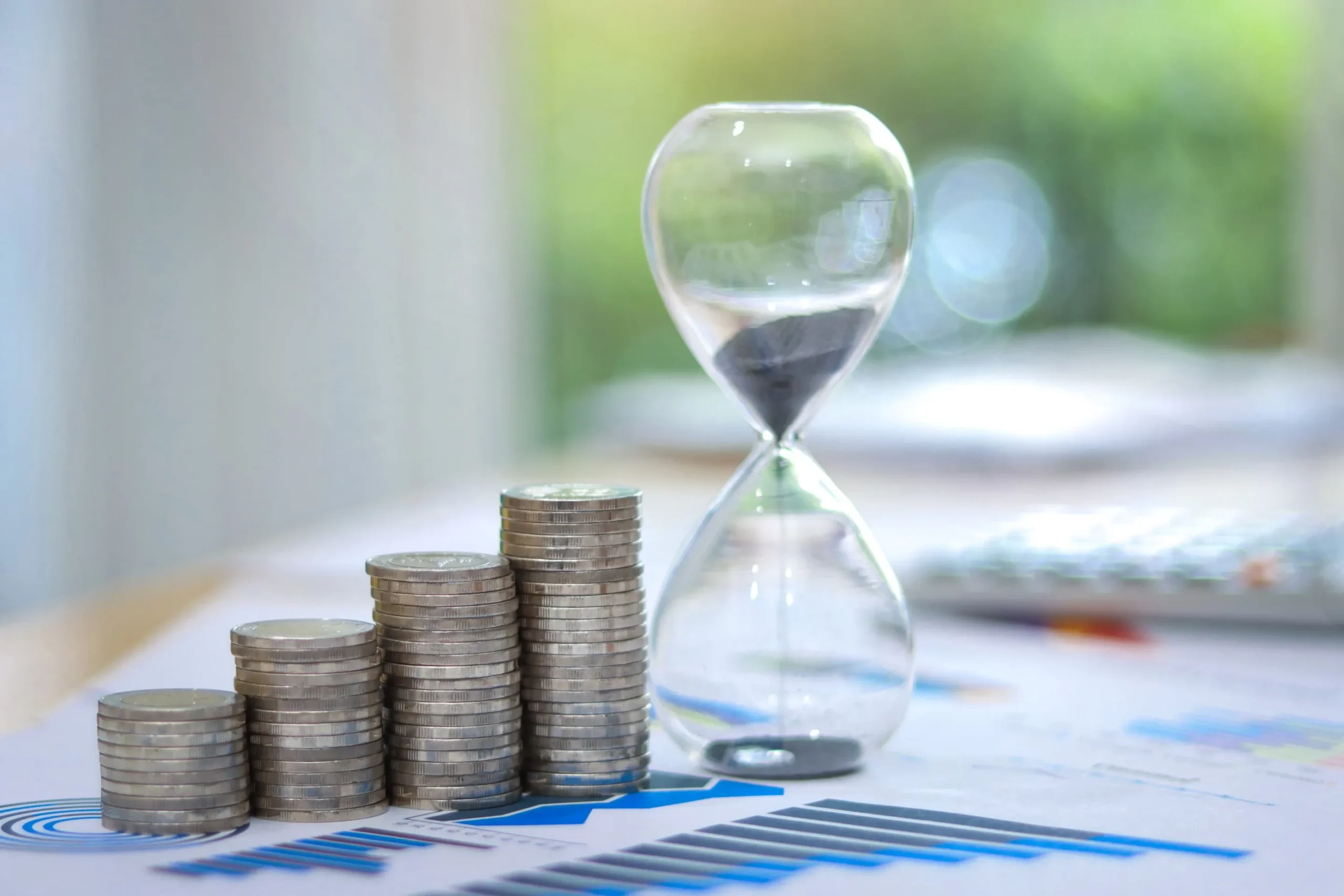
Investing is often presented as a numbers game involving income, savings, market returns, and financial goals. Yet one of the most important factors is not a number that appears on a brokerage statement: time. The decision to wait before investing can carry a hidden cost that becomes increasingly difficult to recover as the years pass. While waiting may feel safe, postponing investment can mean missing years of compound growth, valuable market experience, and opportunities to build long-term financial independence James Rothschild Nicky Hilton.
The idea of investing early is not about becoming wealthy overnight. It is about giving money enough time to potentially grow. Whether someone starts with a modest amount from a first paycheck or invests larger sums later in life, the difference in timing can have a significant effect on the eventual outcome.
Why Time Is an Investor’s Greatest Advantage
Compound growth is one of the strongest reasons to begin investing early. When an investment generates returns, those returns can remain invested and potentially generate additional returns. Over long periods, this process can create growth that is much greater than the original contributions alone.
Consider two people who each invest regularly. One starts at age 25, while the other waits until age 35. Even if both contribute similar amounts and earn the same average return, the earlier investor has an additional decade for the money to potentially compound.
This is why the hidden cost of waiting is not simply the amount of money someone fails to invest during those years. It is also the future growth that money could have generated.
The Real Price of Delaying Your First Investment
Many people delay investing because they believe they need a high income, a large savings account, or extensive financial knowledge. These assumptions can create unnecessary barriers.
A person might think, “I will invest when I earn more,” or “I will start after I pay off everything.” While certain financial priorities, such as building an emergency fund and managing expensive debt, deserve attention, waiting indefinitely can become a habit.
The cost of delay becomes especially visible when someone eventually realizes that reaching a financial goal requires larger contributions later. Starting with a smaller amount earlier can sometimes be more manageable than trying to compensate for lost time with significantly larger contributions in the future.
The lesson is not that everyone should invest immediately regardless of their circumstances. Instead, it is that people should understand what postponement may cost them and make deliberate financial decisions.
Compound Growth Rewards Patience
Compound growth becomes more powerful as the investment period becomes longer. In the early years, growth may appear relatively modest. This can make investing feel unrewarding at first.
However, long-term investing is less about dramatic short-term changes and more about allowing repeated growth to accumulate.
For example, imagine an investor consistently contributes $200 each month. At first, the account may appear to grow primarily because of the contributions. Over decades, however, investment returns can become an increasingly important part of the overall balance.
This demonstrates an important principle: time can reduce the pressure to make enormous investments later. Starting earlier gives compounding more opportunities to work.
Waiting Can Also Cost Valuable Experience
Money is not the only thing investors gain from starting early. They also gain experience.
A new investor who begins with manageable amounts can learn how markets behave, how different investments work, and how emotions influence financial decisions. They may experience both rising and falling markets while their portfolio is still relatively small.
Someone who waits until later in life may have less time to develop that experience before making larger financial decisions.
Early investing can therefore function as a form of financial education. It teaches patience, consistency, risk awareness, and the importance of having a long-term strategy.
Learning From Successful Financial Families
Public figures and wealthy families often attract attention because of their financial lifestyles, but their circumstances should not be treated as direct instructions for ordinary investors. The broader lesson is the importance of understanding wealth as something that can be built, managed, and preserved over time.
For example, discussions surrounding figures such as James Rothschild and Nicky Hilton frequently focus on wealth, family background, business connections, and lifestyle. Their circumstances are very different from those of most individual investors, so comparing personal finances directly would be misleading.
However, their visibility can serve as a reminder that wealth management is generally a long-term process rather than a single financial decision. For everyday investors, the useful takeaway is to focus on principles that can actually be applied personally: saving consistently, investing responsibly, understanding risk, and giving assets sufficient time to potentially grow.
The Emotional Cost of Waiting
There is also an emotional side to delayed investing. People sometimes wait because they are afraid of making the wrong decision.
Market uncertainty can make investing intimidating. Headlines about recessions, inflation, market corrections, and economic uncertainty may convince potential investors that they should wait for a “better” time.
The problem is that nobody can consistently know exactly when the perfect entry point will arrive. Waiting for certainty can therefore result in years passing without meaningful progress.
A disciplined approach can be more useful than trying to predict every market movement. Instead of asking when the market will be perfect, investors can focus on whether their financial plan is appropriate for their goals, risk tolerance, and time horizon.
Small Beginnings Can Become Significant
Another hidden cost of waiting is the belief that small investments are insignificant.
Someone who can only invest a small amount may assume that starting is pointless. Yet consistency can matter more than an impressive beginning.
Investing $50, $100, or $200 regularly may seem modest, but repeated contributions can establish a habit that grows alongside income. As earnings increase, investors may have opportunities to increase their contributions.
The most important step may therefore be developing a sustainable system rather than waiting for the perfect financial situation.
Inflation Makes Waiting Even More Complicated
Cash is useful for emergencies and short-term needs, but holding all long-term savings in cash can create another problem: inflation.
As prices rise over time, the purchasing power of money can decline. A sum that buys a certain amount of goods today may buy less in the future.
Investing does not eliminate inflation risk, and investments can lose value. However, for long-term goals, understanding the relationship between inflation and purchasing power is essential.
Waiting indefinitely while keeping all long-term wealth in low-growth assets may mean losing purchasing power while also missing potential investment growth.
Turning Time Into a Financial Asset
The most practical response to the hidden cost of waiting is to think of time as part of an investment strategy.
Before investing, individuals should consider important foundations such as emergency savings, high-interest debt, appropriate insurance, and a realistic budget. Once those foundations are addressed, long-term investing can become a structured part of financial planning.
The goal is not to chase quick profits. It is to create a process that can continue through different market conditions and different stages of life.
Conclusion
The hidden cost of waiting to invest is the time that can never be recovered. Missed years may represent missed compound growth, missed learning opportunities, and increased pressure to contribute more later.
Starting early does not guarantee investment success, and investing always involves risk. Nevertheless, time gives disciplined investors an advantage that cannot be purchased later. Even modest contributions can become meaningful when combined with consistency, patience, and a long investment horizon.
The most important question is therefore not simply how much someone can invest today. It is how long they can give their investments the opportunity to potentially grow. For many people, the cost of waiting may be far greater than they initially realize.