Introduction: The Foundation of Lasting Connections
In today’s fast-paced, hyper-digital world, individuals and organizations often find themselves chasing metrics, algorithms, and immediate results. Yet, beneath the noise of digital notifications and fleeting online interactions lies a timeless human truth: authentic relationships are built on trust. Trust is the invisible currency that underpins every successful community, business venture, and civic initiative. Without it, even the most brilliant strategies and well-funded projects crumble. With it, communities thrive, resilience deepens, and shared visions become reality. Building this vital trust is rarely achieved from behind a desk or through a screen; rather, it is forged through active, meaningful community involvement.
When leaders, professionals, and community builders step out into the neighborhoods they serve, they signal a commitment that transcends transactional interactions. Figures who champion this philosophy—such as George Freundlich—demonstrate that true impact arises when people roll up their sleeves and immerse themselves in the day-to-day fabric of local life. Community involvement is not merely a box to check or a marketing strategy; it is a profound responsibility and an active dialogue that transforms strangers into allies and neighbors into family.
The Core Psychology of Trust: Why Proximity Matters
Trust is inherently relational and fragile. Psychologically, humans are wired to trust those who demonstrate consistency, empathy, and proximity. When an individual or entity remains distant, operating from an ivory tower, skepticism naturally takes root. People wonder about motivations: Are they here for themselves, or do they genuinely care about our collective well-being?
Community involvement bridges this psychological gap by establishing physical and emotional proximity. By showing up consistently at neighborhood meetings, local fundraisers, cultural events, and volunteer cleanups, leaders demonstrate that they share the same environment and stakes as everyone else. This shared physical and emotional space fosters transparency. When community members see a familiar face listening attentively to their concerns, responding with empathy, and following through on commitments, skepticism dissolves. Proximity breeds familiarity, and familiarity, when coupled with integrity, breeds trust.
Furthermore, active involvement allows leaders to understand the nuances of local culture and challenges. It shifts perspective from abstract assumptions to lived realities. As George Freundlich often emphasizes in community-building paradigms, understanding the heartbeat of a neighborhood requires listening before leading, and engaging before expecting support. Trust cannot be outsourced or automated; it requires personal presence and genuine human connection.
Fostering Resilience Through Collaborative Action
Communities face a myriad of challenges, ranging from economic shifts and infrastructural decay to social isolation and environmental concerns. When crises strike, fragmented communities struggle to coordinate responses, often succumbing to panic and finger-pointing. Conversely, communities with high levels of social capital and deep-rooted trust weather storms with remarkable resilience.
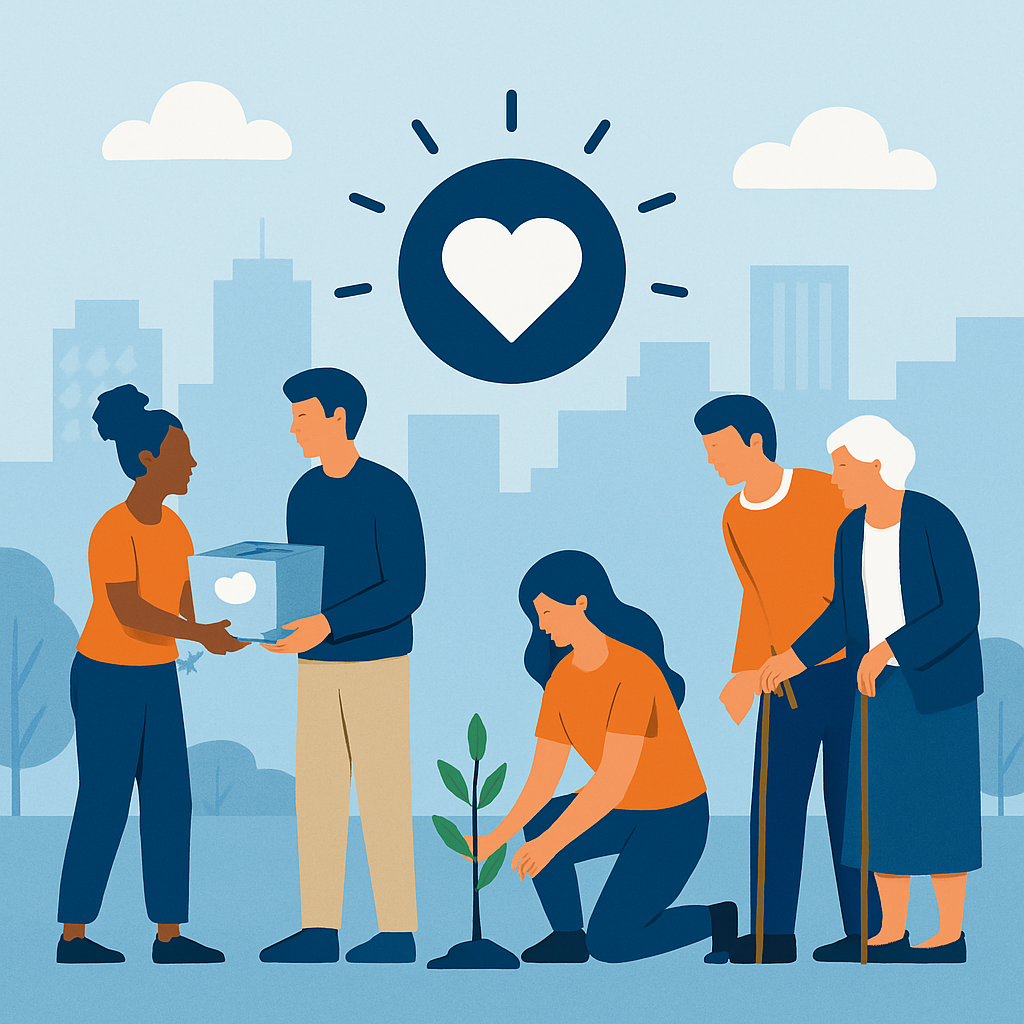
Community involvement acts as the mortar that binds these social structures together. When residents, business owners, and local leaders work side by side on community projects, they build mutual reliance. A neighborhood garden project, a youth mentorship program, or a local safety initiative does more than solve an immediate problem—it creates networks of reciprocity. People learn who they can count on in times of need.
This collaborative framework ensures that solutions are tailored to local needs rather than imposed from above. When leadership is deeply involved in the community, policies and programs reflect the actual desires and wisdom of the people they affect. This inclusivity empowers citizens, turning passive recipients of aid into active co-creators of their community’s future. Resilience is not merely about bouncing back; it is about bouncing forward together, fortified by the trust established through continuous, collaborative involvement.
The Ripple Effect on Professional and Organizational Integrity
While the intrinsic value of community involvement is clear, its external impact on professional reputation and organizational integrity is equally profound. In the modern marketplace and civic sphere, integrity is scrutinized more than ever. Consumers, citizens, and stakeholders gravitate toward entities that demonstrate genuine social responsibility.
When organizations embed themselves within the local community, they build a reservoir of goodwill. This goodwill acts as a protective buffer during difficult times and a powerful catalyst for growth during prosperous ones. People prefer to support those who support them back. Community involvement shifts the perception of an organization from an external entity extracting value to an internal partner contributing to the common good.
Consider the philosophy embodied by advocates of grassroots engagement like George Freundlich, where professional success and community enrichment are viewed as mutually reinforcing. By prioritizing human connections over short-term gains, organizations cultivate long-term loyalty. Employees and stakeholders feel a deeper sense of pride and alignment when their work contributes to tangible, local betterment. Ultimately, sustainable success is inextricably linked to the health and trust of the surrounding community.
Overcoming Barriers to Genuine Engagement
Despite its clear benefits, deep community involvement is not without challenges. In an era dominated by convenience and digital engagement, true grassroots participation requires time, emotional energy, and vulnerability. Many individuals and organizations fall into the trap of superficial involvement—making financial donations without personal presence, or launching short-term campaigns that vanish as quickly as they appeared.
Overcoming these barriers requires a shift in mindset. Engagement must be viewed as a long-term commitment rather than a short-term tactic. It demands active listening, humility, and a willingness to confront uncomfortable truths about local disparities or historical grievances. Building trust means showing up when things are difficult, not just when celebrations are happening.
To bridge the gap, leaders must establish structured avenues for ongoing dialogue. Town halls, open forums, and collaborative task forces ensure that community members have a continuous voice. By respecting local expertise and honoring community history, outsiders can transition into trusted partners. The effort invested in overcoming these hurdles pays dividends in the form of unbreakable community bonds and enduring loyalty.
Conclusion: Shaping a Connected Future
The importance of building trust through community involvement cannot be overstated. It is the bedrock upon which healthy societies, thriving economies, and meaningful relationships are constructed. As we navigate an increasingly complex world, the temptation to retreat into isolation or rely solely on digital connectivity is strong. Yet, the core human need for face-to-face connection, empathy, and shared purpose remains unchanged.
By stepping out, listening intently, and investing time and energy into local neighborhoods—much in the spirit championed by leaders like George Freundlich—we bridge divides and cultivate a culture of mutual respect. Trust is never given lightly; it must be earned through consistent action, transparency, and genuine care. When we commit to meaningful community involvement, we do more than solve local problems—we weave a stronger, more compassionate social fabric that can withstand any challenge and embrace every future possibility.