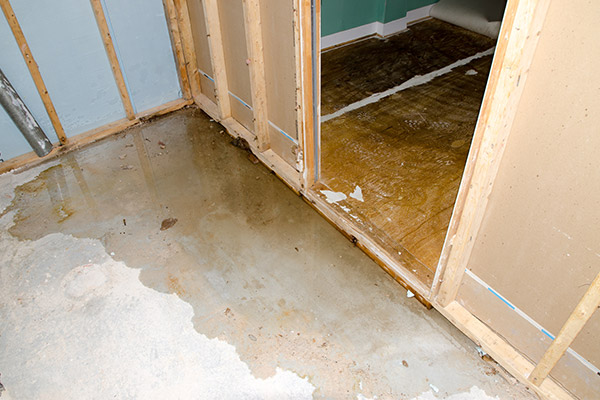
Basement water damage is one of the most common yet serious issues homeowners face. Ignoring the problem can lead to structural damage, mold growth, and costly repairs. Understanding how to identify, prevent, and repair basement water damage is essential for maintaining a safe and healthy home. Acting early can save you both money and stress.
Recognizing the Signs of Basement Water Damage
Early detection of basement water damage is critical. Homeowners should look for visible signs like water stains on walls, damp or musty odors, peeling paint, and warped floors. Another sign is the presence of mold or mildew, which thrives in damp environments. Even small leaks or seepage can indicate larger underlying issues. Checking your basement after heavy rain or during seasonal changes can help catch problems before they escalate.
Common Causes of Basement Water Damage
Understanding the causes of basement water damage helps in preventing future issues. Poor drainage around the foundation, cracks in basement walls, leaky pipes, and clogged gutters are common contributors. High groundwater levels can also force water into your basement, especially during heavy rain or snowmelt. Aging infrastructure, such as old plumbing systems or weakened foundation materials, can exacerbate water infiltration. Identifying the root cause allows homeowners to apply the most effective solutions.
Immediate Steps to Address Water Damage
When you notice basement water damage, immediate action is crucial. Start by removing standing water using a wet/dry vacuum or a sump pump. Ensure the area is safe by turning off electricity if water has reached electrical outlets. Remove any wet items like carpets, furniture, or storage boxes to prevent further absorption and mold growth. Quick intervention can significantly reduce long-term damage and costs.
Drying Out the Basement
Once water is removed, thorough drying is necessary. Use fans, dehumidifiers, and open windows to improve air circulation. Dehumidifiers are especially important as they lower moisture levels that can encourage mold growth. In severe cases, professional water damage services can provide industrial-grade drying equipment to ensure your basement is completely dry. Maintaining a dry basement is key to preventing recurring water damage.
Repairing and Sealing Cracks
Cracks in basement walls and floors are a primary entry point for water. Inspect the foundation carefully and seal any cracks with appropriate waterproofing materials, such as epoxy or hydraulic cement. Small cracks may be managed with DIY solutions, but larger or structural cracks often require professional assessment. Proper sealing helps prevent water from entering and protects the overall integrity of your home.
Installing a Sump Pump
A sump pump is an effective long-term solution for preventing basement water damage. It collects water in a sump basin and pumps it away from the home, reducing the risk of flooding. For areas prone to heavy rainfall or high groundwater, installing a reliable sump pump with battery backup ensures that water is managed even during power outages. Regular maintenance of the pump is essential for it to function efficiently.
Improving Drainage Around Your Home
Effective drainage is critical in preventing basement water damage. Ensure that downspouts direct water at least six feet away from the foundation. Proper grading of the landscape around your home also directs water away from walls and minimizes seepage. Installing French drains or surface drains can further improve water management. Keeping gutters clean and functional prevents overflow that can infiltrate the basement.
Waterproofing Walls and Floors
Applying waterproofing solutions to basement walls and floors adds an extra layer of protection. Sealants and membranes prevent water from penetrating concrete or masonry surfaces. Interior waterproof coatings are suitable for minor seepage, while exterior waterproofing provides comprehensive protection during construction or renovation. Combining wall and floor waterproofing with proper drainage offers the most reliable defense against basement water damage.
Mold Prevention and Remediation
Mold growth is a serious consequence of basement water damage. Even small amounts of moisture can lead to mold within 24–48 hours. Use mold-resistant paints and materials during renovations, and consider professional mold remediation if growth is extensive. Regularly monitor your basement for humidity levels, ideally keeping them below 50%, to minimize the risk of mold and mildew development.
Professional Water Damage Services
In many cases, hiring professional water damage services is the best solution. Experts have the tools, knowledge, and experience to handle severe water damage, from extraction and drying to repair and prevention. Professional assessment can also uncover hidden issues such as compromised foundation walls, pipe leaks, or electrical hazards. Investing in professional services ensures your basement is restored safely and efficiently.
Regular Maintenance and Inspections
Preventing basement water damage requires consistent attention. Schedule regular inspections of your basement, foundation, and plumbing systems. Clean gutters and downspouts frequently, and check sump pumps for proper operation. Early maintenance helps identify minor problems before they develop into costly repairs. Being proactive is always better than dealing with a full-scale basement flood.
Emergency Preparedness
Even with precautions, emergencies can occur. Have a plan in place for quick water removal, electrical safety, and contacting professionals if flooding happens. Keep necessary tools like pumps, wet/dry vacuums, and waterproof gloves accessible. Emergency preparedness minimizes damage and helps you respond effectively, ensuring the safety of your home and family.
Conclusion
Basement water damage is a serious threat to any home, but with prompt action and preventive measures, it can be managed effectively. Recognizing the signs, addressing issues quickly, improving drainage, sealing cracks, and seeking professional help when needed are all essential steps. Maintaining a dry, well-protected basement not only preserves your property but also ensures a safe and healthy living environment. Taking action before the problem worsens saves money, reduces stress, and protects the long-term value of your home.