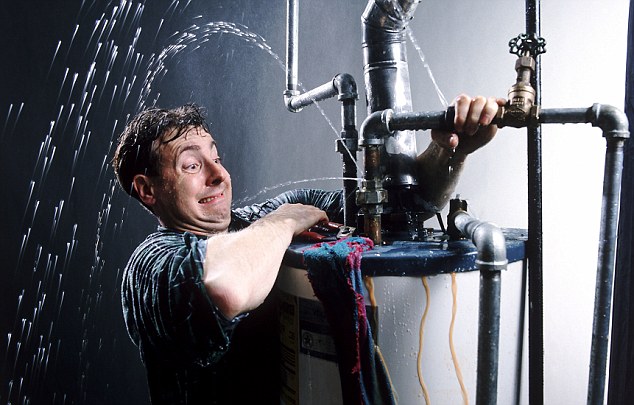
Water damage can happen unexpectedly, whether it is caused by a burst pipe, leaking appliance, heavy rainfall, flooding, sewage backup, or a roof problem. When water enters a building, acting quickly can make a major difference in protecting the structure, belongings, and indoor environment. Water mitigation is the process of reducing and controlling water damage as soon as possible to prevent the situation from becoming more serious.
Unlike simple cleanup, water mitigation focuses on immediate response, moisture control, structural protection, and preventing secondary problems. Understanding how the process works can help homeowners, property managers, and business owners make better decisions when water damage occurs.
Understanding Water Mitigation
Water mitigation involves taking prompt steps to minimize the effects of unwanted water inside a property. The primary goal is to stop additional damage from occurring and stabilize the affected area.
For example, if a supply line breaks under a kitchen sink, standing water can quickly spread into cabinets, flooring, walls, and nearby rooms. If the water remains untreated, it can damage building materials and create conditions favorable to mold growth.
Professional water mitigation teams typically assess the situation, identify the source of water, remove standing water, dry affected materials, and monitor moisture levels throughout the process. The exact approach depends on the amount of water, the affected materials, and the type of water involved.
Why Immediate Action Matters
Time is one of the most important factors following water damage. Materials such as drywall, wood flooring, insulation, carpeting, and furniture can absorb moisture quickly. The longer these materials remain wet, the greater the possibility of permanent damage.
Fast action can also help reduce the spread of moisture. Water can move beneath flooring, inside walls, and through other hidden spaces that may not be immediately visible. What appears to be a small leak on the surface can therefore develop into a much larger problem.
Quick water mitigation can help property owners reduce repair requirements, protect valuable belongings, and improve the chances of restoring affected materials rather than replacing them.
Identifying and Stopping the Water Source
The first step in most water damage situations is identifying where the water came from. A mitigation professional may inspect plumbing fixtures, appliances, roofing systems, drainage areas, or other potential sources.
Stopping the source is essential because removing water while the leak continues will not solve the problem. If a pipe has burst, for instance, the water supply may need to be shut off and the plumbing issue repaired.
In situations involving storms or flooding, the source may be more difficult to control. Professionals must determine whether water is entering through damaged roofing, doors, windows, foundations, drainage systems, or other areas.
Removing Standing Water
Once the source has been controlled, removing standing water becomes a priority. Small amounts of water may sometimes be handled with household equipment, but significant water damage often requires professional extraction equipment.
Water mitigation specialists can use pumps, wet vacuums, and other extraction tools to remove water from floors and other affected areas. Removing standing water quickly helps reduce the amount of moisture absorbed by building materials.
Carpets, flooring, furniture, and other belongings may also require specialized handling. Items that can be safely restored may be cleaned and dried, while severely damaged materials may need replacement.
Drying and Dehumidifying the Property
Removing visible water is only part of the process. Moisture that remains inside walls, floors, ceilings, or other materials can continue causing problems.
Professional drying commonly involves air movers and dehumidification equipment. Air movement helps evaporate moisture from surfaces, while dehumidifiers remove moisture from the surrounding air.
Moisture measurements can help determine whether an area is actually dry. This is important because a room can appear dry while hidden moisture remains underneath flooring or inside walls.
Thorough drying is one of the most important parts of water mitigation because it addresses moisture that may otherwise contribute to deterioration and microbial growth.
Preventing Mold and Secondary Damage
Excess moisture can create an environment where mold and other microorganisms may develop. Mold growth can damage materials and may also affect indoor air quality.
Effective water mitigation aims to reduce this risk by addressing moisture as quickly and thoroughly as possible. Damaged porous materials may require special evaluation, particularly when they have remained wet for an extended period.
Secondary damage can also include warped flooring, damaged drywall, stained surfaces, deteriorated wood, unpleasant odors, and corrosion of certain materials. Prompt drying and appropriate restoration procedures can help limit these consequences.
Water Damage Categories and Safety Considerations
Not all water damage is the same. Clean water from a broken supply line can present different risks from water that has come into contact with sewage, chemicals, or other contaminants.
Professionals evaluate the source and condition of the water before determining the appropriate cleanup approach. Contaminated water may require additional protective equipment, specialized removal procedures, and careful disposal of affected materials.
Homeowners should avoid unnecessary contact with potentially contaminated water. Electrical hazards are another important concern. If water has reached electrical outlets, appliances, wiring, or electrical equipment, the area should be approached cautiously and evaluated by an appropriate professional.
The Role of Professional Water Mitigation Services
Professional assistance can be especially valuable when water damage affects multiple rooms, structural components, or hidden areas. Experienced technicians have access to specialized equipment and can follow a systematic process for assessment, extraction, drying, and monitoring.
A professional team may also document the damage through photographs, moisture readings, and detailed reports. This documentation can be useful when communicating with property owners, contractors, or insurance providers.
Choosing a qualified service provider is important. Property owners should look for professionals who clearly explain their process, provide written information about the work, and demonstrate appropriate experience with water-related property damage.
Water Mitigation and Restoration Are Different
Water mitigation and restoration are closely connected but are not exactly the same. Mitigation focuses primarily on limiting damage and stabilizing the property. Restoration generally involves repairing or replacing materials that were damaged during the incident.
For example, removing standing water and drying a damaged room are mitigation activities. Replacing damaged drywall, repairing flooring, repainting walls, or rebuilding portions of a room may fall under restoration.
Understanding this difference helps property owners know what to expect during the recovery process.
Preparing for Future Water Damage
Although water emergencies cannot always be prevented, preparation can reduce their impact. Regularly inspecting plumbing connections, appliances, roofs, gutters, drainage systems, and seals can help identify problems before they become major leaks.
Installing water detection devices in areas near washing machines, water heaters, sinks, and other vulnerable locations can also provide early warnings.
Property owners should know where the main water shutoff valve is located and ensure that household members or responsible staff know how to operate it. Having important contact information for plumbers, mitigation professionals, and insurance providers readily available can save valuable time during an emergency.
Conclusion
Water damage can quickly become a serious property problem, but timely action can significantly reduce its effects. Water mitigation provides a structured approach to controlling water damage, removing moisture, drying affected areas, and preventing additional deterioration.
The most effective response begins with identifying and stopping the water source, followed by water extraction, thorough drying, moisture monitoring, and evaluation of damaged materials. Professional assistance can be particularly important when water has spread into hidden spaces or involves contaminated sources.