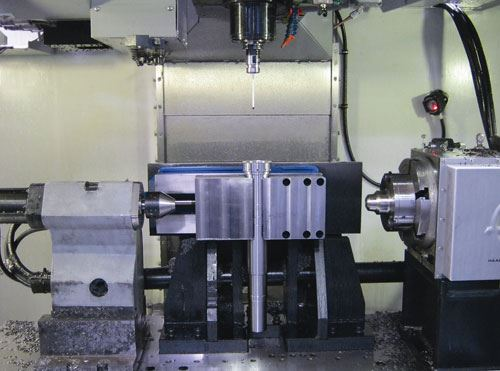
In precision manufacturing, scrap and rework are two of the most costly problems a shop can face. They consume material, labor, machine time, and inspection resources, while also affecting delivery schedules and customer confidence. Many manufacturers try to reduce these issues by improving tooling, refining programming, or tightening inspection procedures. While all of those efforts are valuable, one important factor is often overlooked: workholding.
A machining process can only be as stable as the setup that supports it. If the part is not clamped securely or positioned consistently, even the best machine and toolpath may fail to produce a reliable result. That is why the vise should not be seen as a simple accessory. In a real production environment, it is one of the key tools for maintaining process control and minimizing avoidable mistakes.
Choosing the right cnc vise can have a direct impact on scrap reduction, setup stability, and part-to-part consistency.
Why Scrap Often Begins at the Setup Stage
When a part is scrapped, the root cause is not always obvious. The visible problem may appear during machining or final inspection, but the true source often begins much earlier. If the workpiece is not held in the correct position, or if clamping introduces movement or distortion, the machining process starts from an unstable condition. Once that happens, every operation that follows is affected.
In some cases, the issue is obvious, such as a part shifting under cutting pressure. In other cases, the problem is more subtle. Slight inconsistency in part location may lead to dimensions drifting out of tolerance, features becoming misaligned, or surfaces failing inspection. These problems are especially frustrating because they may appear unpredictable even when the machine program itself is correct.
A better vise helps address this by creating a more controlled starting point. When the part is clamped securely and located repeatably, the chances of setup-related error are reduced from the beginning.
Repeatable Positioning Helps Prevent Rework
Rework is often the result of variation. When parts are not positioned the same way from one cycle to the next, machinists may need to adjust offsets, repeat operations, or manually correct small deviations. That adds time and complexity to a process that should be standardized.
This is why repeatable positioning is one of the most important qualities in a high-quality workholding solution. A vise that allows the same part to be loaded consistently supports better dimensional control and reduces the need for correction after machining. In production environments, this kind of repeatability can significantly reduce both scrap and rework rates.
For more advanced applications, a dedicated 5 axis vise can be especially useful. In multi-side machining, accuracy depends heavily on the part remaining stable and consistently positioned throughout the operation. A vise designed for that environment helps support the process more effectively than a standard setup.
Stable Clamping Protects the Machining Process
Secure clamping is not only about preventing the part from moving completely. It is also about reducing micro-movement, vibration, and instability during cutting. When a setup lacks rigidity, the effects may show up as poor surface finish, inconsistent dimensions, accelerated tool wear, or unexpected variations between parts.
These kinds of problems often lead to rework because the shop must spend extra time correcting or compensating for the instability. Worse, they may not be noticed until after multiple parts have already been completed, which increases the total cost of the issue.
A well-matched cnc vise helps create a stronger, more predictable base for machining. That improves not only the holding condition of the part, but also the confidence of the operator. When machinists trust the setup, they can run the process more consistently and with fewer interruptions.
Better Access Means Fewer Setup Errors
Another way the right vise reduces scrap is by allowing better access to the part. If the workholding system blocks important surfaces, the operator may need to remove and re-clamp the workpiece multiple times in order to finish the job. Every additional setup introduces risk. The more often the part is repositioned, the more likely it becomes that alignment errors or reference problems will occur.
This is one reason why a specialized 5 axis vise can be so valuable in complex machining. By exposing more of the workpiece and reducing interference, it allows more operations to be completed in one setup. Fewer setups mean fewer chances for cumulative error and a lower risk of scrap caused by repositioning mistakes.
In high-value parts or low-volume precision work, this benefit can be especially important. When each part carries significant machining time and material cost, avoiding a single setup mistake can save far more than the price difference between basic and advanced workholding.
Standardization Makes Quality Easier to Control
Another hidden advantage of choosing the right vise is that it helps standardize the process. When the workholding method is consistent and appropriate for the part, different operators are more likely to achieve the same result. This reduces dependency on individual technique and makes the process easier to manage across shifts, jobs, or repeated orders.
Standardization is one of the most effective ways to reduce quality variation. Instead of solving the same setup problem over and over again, the shop creates a repeatable method that supports reliable output. Over time, this leads to fewer unexpected issues, faster setups, and more predictable inspection results.
That is why it often makes sense to evaluate an entire cnc vise lineup rather than choosing the first available option. A broader range allows the shop to select a solution that better fits the application, which makes standardization easier in the long term.
Conclusion
Scrap and rework are rarely caused by one single factor, but poor workholding is often part of the problem. If the workpiece is not clamped securely, positioned consistently, or supported in a way that matches the machining process, quality issues become much harder to prevent.
The right vise helps solve this at the source. It improves setup stability, supports repeatable positioning, reduces unnecessary repositioning, and creates a more reliable machining process overall. For shops focused on quality, efficiency, and cost control, that makes workholding a much more important decision than it may first appear.
In the end, reducing scrap is not only about cutting better. It is also about holding better.